Understanding Customer Segmentation and Marketing Analytics
Digital marketing has become more competitive as businesses invest in online advertising, email campaigns, social media, and personalized customer experiences. However, reaching a larger audience does not always lead to better results. Businesses need to understand who their customers are, what they want, and how they respond to different messages.
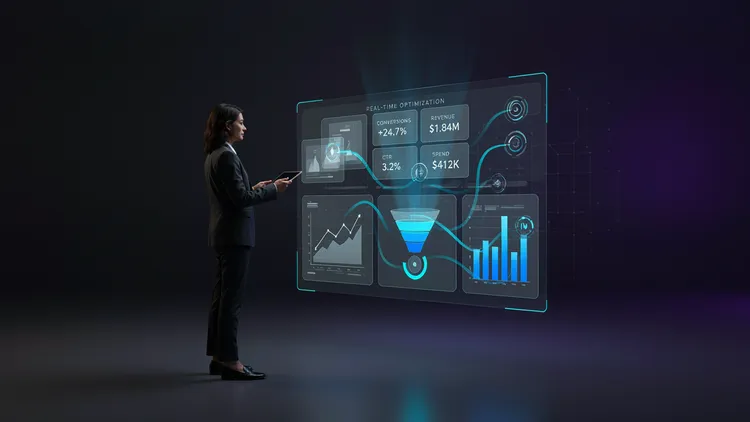
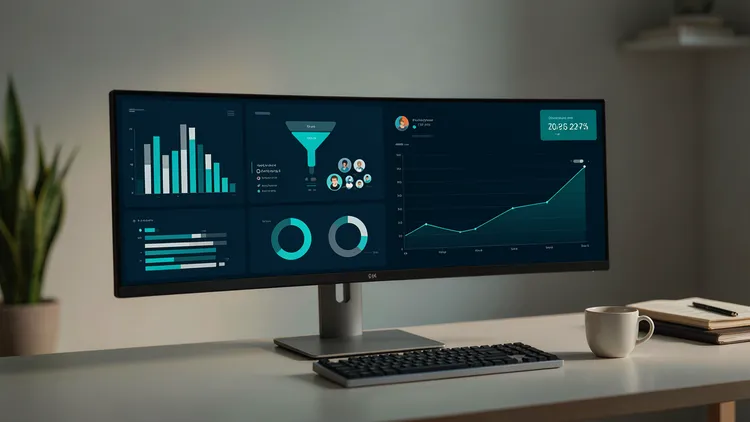
Customer segmentation and marketing analytics help organizations make these decisions more effectively. Customer segmentation divides an audience into smaller groups based on shared characteristics, interests, purchasing behavior, or engagement patterns. Marketing analytics examines campaign data to understand performance and identify opportunities for improvement.
Together, these approaches enable marketers to deliver relevant messages, allocate budgets wisely, and build stronger relationships with potential customers. Consequently, businesses can move beyond broad promotional campaigns and develop strategies based on actual customer needs.
Why Customer Segmentation Matters in Digital Marketing
Every customer has different preferences, expectations, and reasons for purchasing a product or service. A single campaign may attract attention, but it rarely addresses every audience member equally well.
For example, an online retailer may identify first time visitors, repeat customers, and shoppers who abandon their carts. Each group requires a different communication strategy. New visitors may respond to educational content, whereas returning customers might appreciate product recommendations. Meanwhile, shoppers who abandon their carts may benefit from a timely reminder or additional product information.
By understanding these differences, businesses can create more relevant experiences across email, websites, paid advertising, and social media. Moreover, segmentation helps marketers avoid sending unnecessary messages that can reduce engagement or damage customer trust.
How Marketing Analytics Improves Campaign Performance
Marketing analytics transforms campaign activity into useful business insights. Instead of judging success through clicks or impressions alone, marketers can evaluate conversions, customer acquisition costs, engagement rates, and revenue generated by individual campaigns.
For instance, a company might discover that social media advertisements generate substantial website traffic but relatively few purchases. At the same time, targeted email campaigns may attract fewer visitors while producing more sales. This comparison helps marketers understand which channels contribute meaningful business value.
Furthermore, analytics reveals patterns that are difficult to identify through observation alone. By examining customer journeys, campaign timing, and audience responses, businesses can determine where potential customers lose interest and make informed adjustments.
As a result, marketing teams can test different messages, improve landing pages, and redirect spending toward activities that deliver stronger outcomes.
Combining Customer Data With Personalized Campaigns
The real value emerges when customer segmentation and marketing analytics work together. Segmentation identifies distinct audience groups, while analytics measures how those groups respond to different marketing activities.
Consider a software company promoting a business productivity platform. Small businesses may prioritize affordability and simplicity, whereas enterprise customers may focus on security, integration, and scalability. Using these insights, the marketing team can create different landing pages, email sequences, and advertisements for each audience.
Meanwhile, campaign analytics can reveal which messages generate qualified leads and which audiences are more likely to become paying customers. Marketers can then refine their targeting and messaging based on measurable results.
However, personalization should remain relevant and respectful. Organizations must handle customer information responsibly, communicate transparently, and comply with applicable privacy requirements. Effective personalization builds trust rather than making customers feel monitored.
The Role of Technology and Artificial Intelligence
Modern marketing platforms make it easier to collect, organize, and analyze customer information. Customer relationship management systems, analytics dashboards, advertising platforms, and marketing automation tools can provide a clearer picture of customer behavior.
Additionally, artificial intelligence can help identify emerging audience patterns, predict customer interests, and support campaign optimization. For example, predictive analytics may help businesses identify customers who are likely to make another purchase or disengage from a service.
These developments are important Technology insights for organizations modernizing their marketing operations. Similarly, IT industry news frequently highlights advances in data platforms, automation, and AI powered tools that influence how companies reach their audiences.
Nevertheless, technology alone cannot guarantee successful campaigns. Reliable data, clear objectives, appropriate measurement, and human judgment remain essential for turning analytical findings into practical decisions.
Connecting Marketing Results With Business Goals
Marketing performance should be evaluated in the context of wider business objectives. A campaign that generates many leads may still underperform if those leads rarely convert into customers. Similarly, a low cost campaign may deliver limited value when the audience has little purchasing intent.
Businesses should connect marketing metrics with revenue, customer retention, and long term profitability. Finance industry updates can help business leaders understand broader spending conditions, while Sales strategies and research can reveal opportunities to improve lead qualification and conversion.
Moreover, HR trends and insights can support workforce planning by highlighting the analytical, communication, and digital skills marketing teams need. Meanwhile, Marketing trends analysis can help organizations understand changing customer expectations and identify new opportunities.
By bringing these perspectives together, companies can align campaign decisions with measurable business outcomes rather than focusing exclusively on short term engagement.
Actionable Insights for Better Digital Campaign Results
Businesses can improve their campaigns by starting with a clear objective and identifying the customer groups most likely to achieve it. They should review available data, establish meaningful performance indicators, and compare results across audience segments and marketing channels.
Next, marketers should experiment with different messages, offers, and landing page experiences. A structured testing process can reveal which changes improve conversions without relying on assumptions. Regular reviews are equally important because customer preferences and market conditions change over time.
Organizations should also maintain accurate customer records, remove unnecessary data, and establish appropriate privacy safeguards. Ultimately, customer segmentation and marketing analytics deliver the greatest value when insights lead to measurable improvements in customer experience, campaign efficiency, and business growth.
For more Technology insights, Marketing trends analysis, and practical digital growth strategies, connect with InfoProWeekly. Visit InfoProWeekly.com to explore expert perspectives that help your business make informed marketing decisions and achieve sustainable results.