
The Changing Role of HR Leadership
As organizations prepare for 2027, human resources leaders are facing a workplace that is changing faster than traditional HR models can accommodate. Artificial intelligence, shifting employee expectations, evolving skills requirements and pressure for stronger business performance are transforming how companies approach people management.
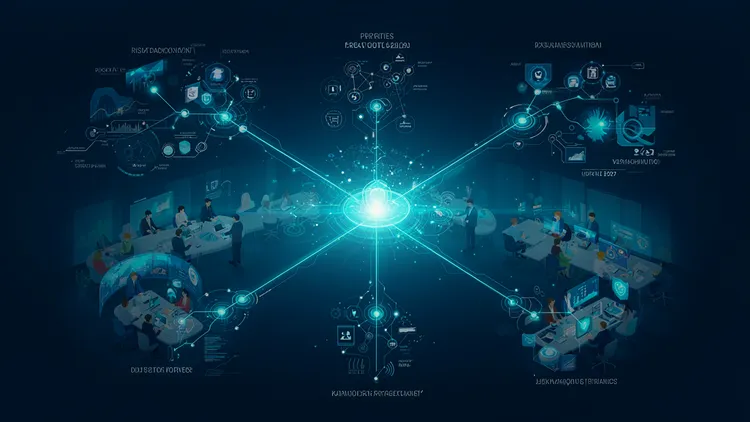
Gartner has identified four key areas that HR leaders should focus on as they prepare for the next stage of workplace transformation. These priorities reflect a broader shift in HR from an administrative function toward a strategic business partner that can influence productivity, workforce capability and organizational resilience.
For business leaders, understanding these developments is becoming increasingly important. The latest HR trends and insights show that organizations must rethink how they attract talent, develop employees and use technology while maintaining trust.
AI Is Reshaping Workforce Strategy
Artificial intelligence is rapidly moving from an experimental technology into everyday business operations. Consequently, HR leaders need to understand not only how AI can automate repetitive work but also how it can change roles, skills and organizational structures.
Rather than viewing AI simply as a productivity tool, companies are increasingly considering how employees and intelligent systems can work together. This creates new questions around workforce planning, job design, training and performance management.
Furthermore, HR teams will have an important role in helping employees adapt to these changes. Leaders will need to identify emerging skills, redesign learning programs and ensure workers understand how AI affects their responsibilities.
These developments also connect closely with broader Technology insights and IT industry news, where AI adoption continues to influence nearly every business function.
Building a Workforce Ready for Change
Workforce capability is becoming another central concern as businesses deal with rapid technological and economic change. Skills that are valuable today may evolve considerably within only a few years.
As a result, organizations need to become more deliberate about continuous learning. Traditional training programs may not be enough when employees must regularly develop new technical, analytical and interpersonal capabilities.
HR leaders can help organizations move toward a skills based approach by identifying critical capabilities and connecting learning opportunities with actual business needs. Moreover, internal mobility can become an important part of this strategy because employees who can move into emerging roles may help companies reduce talent shortages.
This approach also supports stronger employee engagement because workers can see clearer opportunities to grow rather than feeling that technological change threatens their future.
Creating Better Employee Experiences
Employee expectations continue to evolve, particularly around flexibility, career development, workplace technology and organizational culture. Therefore, HR leaders must understand what employees genuinely value rather than relying on outdated assumptions about engagement.
A stronger employee experience does not simply mean adding more workplace benefits. Instead, it involves making everyday work more productive, meaningful and manageable.
Technology can play an important role here. Intelligent HR platforms can simplify administrative processes, provide faster access to information and support more personalized employee services. However, organizations must ensure that technology improves the employee experience rather than creating additional complexity.
At the same time, leaders need to maintain human connection. Employees still expect effective communication, supportive managers and opportunities to contribute. Consequently, technology should strengthen human relationships instead of replacing them wherever personal interaction matters most.
Connecting HR With Business Performance
The fourth major area involves strengthening the connection between people strategy and business outcomes. Increasingly, HR leaders are expected to demonstrate how workforce decisions contribute to productivity, growth and organizational performance.
This means HR teams need better workforce data and stronger analytical capabilities. By connecting employee information with business performance indicators, leaders can identify capability gaps, understand workforce risks and make more informed decisions.
For example, workforce planning can influence financial forecasting, sales capacity and customer growth. Similarly, employee capability can affect marketing execution, technology adoption and operational efficiency. Therefore, HR decisions should increasingly be considered alongside Finance industry updates, Sales strategies and research and Marketing trends analysis.
This broader perspective allows HR to become more deeply integrated into corporate planning rather than operating separately from other departments.
Preparing Leaders for a More Complex Workplace
Leadership development will also become increasingly important as organizations manage AI adoption, changing employee expectations and new operating models. Managers may need to lead teams where employees work alongside automated systems and where traditional job boundaries become less defined.
Moreover, leaders will need stronger communication skills because uncertainty can quickly create resistance during major workplace changes. Clear communication, transparency and consistent decision making can help employees understand why changes are happening and how they affect their careers.
HR can support this transition by giving managers practical resources and development opportunities. In addition, organizations should measure whether leadership programs are actually improving workplace outcomes rather than evaluating them only through participation rates.
What These Priorities Mean for Businesses
The emerging direction of HR suggests that people strategy can no longer be separated from technology, financial performance and business transformation. Instead, these areas increasingly influence one another.
Organizations that prepare early can create stronger connections between workforce planning and corporate strategy. They can also identify skills gaps sooner, improve employee development and establish clearer frameworks for responsible AI adoption.
Nevertheless, implementation should remain practical. Companies do not need to transform every HR process simultaneously. Instead, leaders can identify the areas where workforce changes are creating the greatest business impact and begin there.
Actionable Insights for HR Leaders
The most useful step for leaders heading into 2027 is to treat workforce strategy as an ongoing business process rather than an annual HR exercise. Start by identifying which roles are most affected by AI and determine which capabilities employees will need next.
Next, review whether current learning programs support those capabilities. At the same time, examine employee experience data to identify friction in everyday work and determine where technology can genuinely improve productivity.
Finally, connect workforce metrics with broader business indicators. When HR decisions are linked to financial performance, sales growth, technology adoption and customer outcomes, leaders gain a clearer picture of how people strategy contributes to organizational success.
Ultimately, the strongest organizations will be those that combine technology adoption with thoughtful workforce planning and strong human leadership.
Stay Ahead With InfoProWeekly Connect with InfoProWeekly for trusted coverage of emerging technology, business transformation and workforce developments.
Reach out to InfoProWeekly for insights that help leaders understand what comes next and act with confidence.