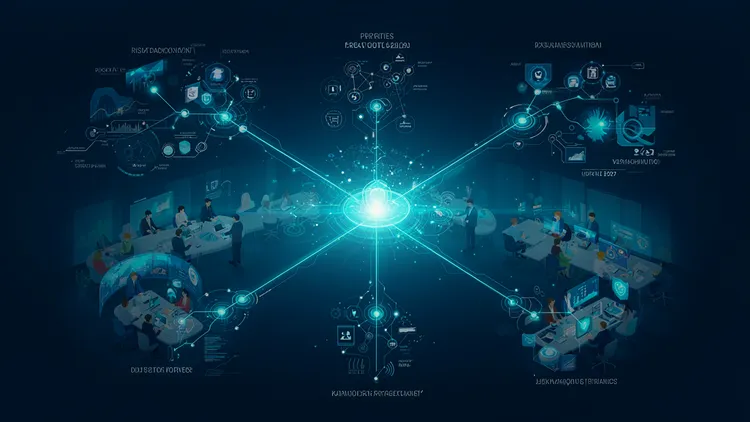

SAP has agreed to acquire Belgian AI company TechWolf to strengthen its workforce intelligence capabilities and help businesses make smarter talent decisions. Announced on October 6, 2026, the deal will bring TechWolf’s AI models, workforce data technology, and applied research team into SAP’s enterprise software ecosystem. The acquisition is expected to close in the fourth quarter of 2026, subject to regulatory approval and other customary closing conditions. The companies have not disclosed the financial terms. Source: SAP News Center
The announcement comes as businesses explore how artificial intelligence is changing jobs, workplace responsibilities, and future skills requirements. Traditional job titles and outdated employee records often fail to show the full range of skills available within an organization.
SAP aims to address this challenge by making workforce intelligence a more important part of its AI strategy. The move could help companies understand employee capabilities, identify skills gaps, and prepare their teams for changing business needs.
What TechWolf Brings to SAP
TechWolf specializes in AI-powered workforce intelligence. Its platform connects information from existing HR and business systems to build an updated picture of employee skills, workplace tasks, and organizational needs.
The company’s technology uses a proprietary data model called the context graph for work. It connects the tasks employees perform with the skills they use and the capabilities businesses may need in the future.
For example, a company introducing AI into its customer service operations could use this technology to identify employees with relevant technical and communication skills. Managers could then determine which employees need additional training and where external recruitment may be necessary.
This approach gives businesses a clearer understanding of their workforce. Instead of relying only on resumes, job descriptions, or manual assessments, employers can use connected data to support more informed talent decisions.
How the Acquisition Could Strengthen SAP SuccessFactors
SAP plans to integrate TechWolf more deeply into its SAP SuccessFactors portfolio, which provides HR and talent management software. The technology is expected to support skills-based hiring, workforce planning, employee development, internal mobility, and organizational redesign.
Many businesses struggle to maintain accurate skills records across departments and locations. Information often sits in separate recruitment systems, learning platforms, performance reviews, and operational applications.
TechWolf’s platform can connect these sources to help HR teams identify suitable internal candidates, recognize capability gaps, and plan training more effectively.
The acquisition could also strengthen SAP’s Joule AI assistant. By providing better context about workplace tasks and employee skills, TechWolf’s technology could help Joule deliver more relevant responses to workforce-related questions.
SAP also expects this technology to improve the efficiency of AI-powered workforce agents. Better context could reduce unnecessary processing and help businesses manage complex HR tasks more effectively.
Why Workforce Intelligence Matters in the AI Era
Artificial intelligence is changing how people work across industries. Some tasks are becoming automated, while others require new combinations of technical knowledge, analytical thinking, and human judgment.
Businesses must therefore understand how their workforce needs to evolve. Counting employees alone is not enough. Organizations also need to know which skills they have and which capabilities they must develop.
AI-powered skills intelligence can help companies identify transferable skills, assess training requirements, and prepare employees for emerging roles.
For example, a finance professional with strong analytical skills could move into a data-focused position after completing targeted training. Similarly, IT departments could use workforce insights to identify skills gaps in cloud computing, cybersecurity, and AI implementation.
These changes connect HR trends and insights with broader technology developments. Workforce planning is becoming a strategic business priority rather than an administrative responsibility managed only by HR teams.
What the Acquisition Means for Businesses and Employees
For employers, the acquisition highlights the growing importance of evidence-based workforce decisions. Better visibility into employee skills could help companies reduce unnecessary external recruitment, improve training programs, and allocate talent more effectively.
However, the results will depend on the quality of the underlying data. Incomplete employee profiles, outdated skills records, and inconsistent job descriptions can lead to misleading recommendations. Businesses must therefore maintain accurate data and regularly review AI-generated assessments.
Employee trust will also play an important role. Organizations should use skills intelligence to support professional growth and fair opportunities. They should avoid relying on opaque AI systems to make significant employment decisions without appropriate human oversight.
HR teams should explain how they collect skills information, how they use it, and how employees can correct inaccurate records. Transparent policies can help businesses introduce these tools responsibly.
How Different Industries Could Benefit
The impact of workforce intelligence extends beyond HR departments. Businesses across finance, sales, marketing, and IT could use these insights to prepare their teams for changing requirements.
Finance: Organizations could identify skills needed for regulatory reporting, risk management, financial analysis, and digital transformation.
Sales: Teams could discover gaps in negotiation, customer relationship management, and data analysis. Managers could then create targeted training programs.
Marketing: Businesses could identify employees who combine creative thinking with AI-assisted campaign analysis and digital marketing expertise.
Information technology: IT leaders could assess technical capabilities, plan employee training, and prepare teams for cloud migration, cybersecurity challenges, and AI adoption.
These applications show how IT industry news, finance industry updates, sales strategies and research, and marketing trends analysis increasingly overlap with workforce planning.
Nevertheless, technology alone cannot solve every workforce challenge. Companies must combine reliable data with effective leadership, practical training, and clear business goals.
Practical Steps for Businesses Considering Skills Intelligence
Organizations interested in workforce intelligence should begin by identifying the decisions they want to improve. These may include internal hiring, employee reskilling, succession planning, or preparing teams for AI adoption.
Next, businesses should review their existing skills data and establish clear policies for data access, privacy, and employee rights. They should also introduce human review for important employment decisions.
To measure results, organizations can track several indicators:
- Internal hiring and employee placement rates.
- Training completion and skill development outcomes.
- Recruitment costs and time to fill critical roles.
- Employee mobility and retention.
- Improvements in workforce planning and productivity.
Regularly reviewing these indicators can help leaders determine whether skills intelligence delivers measurable business value.
What to Watch as the Acquisition Progresses
SAP and TechWolf expect the acquisition to close in the fourth quarter of 2026, subject to customary closing conditions and regulatory approval. After the transaction, SAP expects TechWolf to continue operating as an independent entity under CEO Andreas De Neve, with its headquarters in Ghent, Belgium.
TechWolf also plans to continue serving SAP and non-SAP customers. This approach could help existing customers maintain access to its platform while SAP expands its workforce intelligence capabilities. Source: TechWolf’s official announcement
The next important step will be the integration of TechWolf’s technology into SAP SuccessFactors and related AI-powered applications. Businesses will be watching to see how effectively the combined platform turns workforce data into practical recommendations.
The deal reflects a broader shift in enterprise AI. Companies increasingly need reliable information about both their business operations and the people who perform the work. Workforce intelligence could help bridge that gap and support better decisions about hiring, training, and organizational change.
Follow InfoProWeekly for the latest HR trends and insights, enterprise AI developments, and global technology industry news.
Contact InfoProWeekly to explore emerging workplace technologies and discover practical insights for smarter workforce planning.