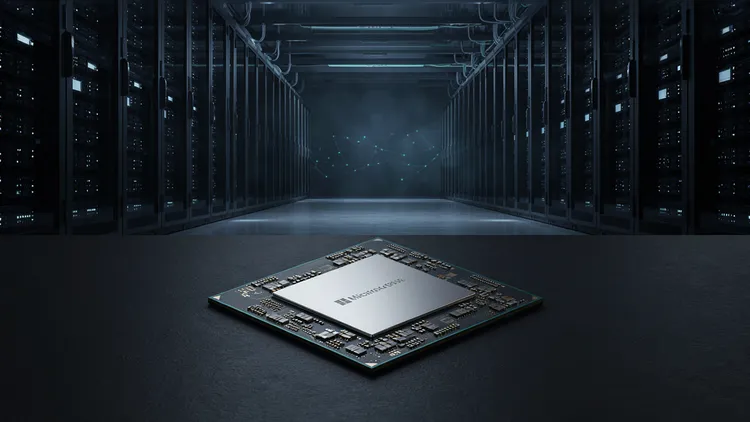
800G Networks Are Entering a New Connectivity Era
The global internet infrastructure is entering another major transition as artificial intelligence, cloud computing and large scale data processing generate unprecedented amounts of network traffic. As a result, 800G networks are becoming increasingly important for data centers and high performance connectivity.
The shift is being driven particularly by artificial intelligence infrastructure. IDC reported that worldwide Ethernet switch revenue reached 18.9 billion dollars in the second quarter of 2026, while the data center segment grew 64.5 percent year over year. Importantly, 800GbE ports represented 41.2 percent of data center Ethernet switch revenue during the quarter.
This change shows that higher speed connectivity is moving from a specialized requirement toward a central part of modern digital infrastructure.
Why Data Traffic Is Growing So Quickly
Artificial intelligence workloads require enormous amounts of data to move between processors, storage systems and networking equipment. Training and deploying large AI models can involve thousands of GPUs operating together, which means network performance can directly influence how efficiently computing resources are used.
Consequently, traditional network speeds can become a limiting factor even when servers and accelerators continue becoming more powerful. Higher bandwidth helps move information between systems more quickly while supporting larger clusters.
NVIDIA, for example, now offers Ethernet infrastructure extending to 800GbE for AI factories and large data center environments. Its networking portfolio includes high speed switches, SuperNICs and data processing units designed around demanding AI workloads.
The 800G Ethernet Standard Is Already Established
The move toward faster connectivity is not simply a marketing trend. IEEE has formally standardized 800 gigabit Ethernet through IEEE 802.3df 2024.
The standard defines MAC parameters and physical layer specifications for 400 gigabit and 800 gigabit operation. It also supports multiple electrical and optical configurations designed for different networking environments.
Therefore, equipment manufacturers and infrastructure providers have a common technical foundation for developing compatible products. This can help the ecosystem expand as demand increases.
AI Data Centers Are Driving Adoption
AI data centers are currently one of the strongest reasons for the rapid growth of high speed networking.
Modern AI factories connect large numbers of computing accelerators through complex networking fabrics. Every training or inference workload can create substantial movement of information between computing nodes. If the network cannot keep pace, expensive computing resources may spend more time waiting for data.
IDC reported that AI infrastructure expansion remained the primary driver behind data center Ethernet switching growth during the second quarter of 2026. The same research showed that 800GbE revenue share increased from 35.9 percent in the first quarter to 41.2 percent in the second quarter.
This indicates that the technology is becoming closely connected with the economics of AI infrastructure.
Lower Latency Matters Alongside Bandwidth
More bandwidth is only one part of the equation.
AI workloads also require predictable and efficient communication between computing systems. Network delays can reduce overall cluster efficiency, particularly when thousands of processors depend on coordinated data movement.
For this reason, modern high speed networking platforms increasingly combine greater bandwidth with technologies for congestion management, network telemetry, accelerated packet processing and direct data movement.
NVIDIA describes its 800Gbps networking platforms as designed to support large scale AI infrastructure while improving data movement and reducing bottlenecks between computing resources.
Cloud Providers Need More Scalable Infrastructure
Cloud computing is another major factor behind the transition.
Businesses increasingly rely on cloud platforms for software applications, analytics, databases, artificial intelligence and digital services. At the same time, cloud providers must support multiple customers and workloads across increasingly large infrastructure environments.
Higher speed network connections can help cloud operators increase capacity between servers, switches and storage systems. Moreover, they can create more room for future workloads without requiring constant replacement of the underlying architecture.
As AI adoption expands across industries, this requirement is likely to become even more important.
800G Networks Could Influence Enterprise Technology
The impact will not remain limited to hyperscale data centers.
Enterprise organizations are gradually adopting AI applications, real time analytics and increasingly demanding cloud services. Consequently, network infrastructure will need to support larger data flows between offices, private data centers, cloud platforms and specialized computing environments.
This creates an important area for technology insights and IT industry news because network architecture is becoming closely connected with business performance.
Companies may not immediately need 800GbE throughout their entire infrastructure. Instead, adoption is likely to begin where traffic volumes and performance requirements justify the investment.
The Transition Will Require New Skills
Faster networking also creates new requirements for technology professionals.
Network engineers will increasingly need experience with high speed optical connectivity, advanced switching, AI infrastructure, network observability and automated management. Meanwhile, data center teams will need to understand how networking interacts with computing, storage and cybersecurity.
These developments connect with HR trends and insights because infrastructure modernization can change the skills organizations prioritize when hiring and training technical employees.
Finance and Business Operations Will Feel the Impact
Network infrastructure can influence more than technical teams.
Financial institutions rely on fast and reliable digital infrastructure for trading systems, analytics, customer applications and transaction processing. Therefore, investment in faster networking can become part of broader finance industry updates concerning digital infrastructure and technology spending.
Similarly, sales organizations increasingly depend on cloud based CRM platforms, analytics and AI assistants. Reliable connectivity can support these systems and reduce delays across customer facing workflows. This makes networking relevant to sales strategies and research as well.
Marketing teams also depend on cloud analytics, advertising platforms and real time customer data. As a result, marketing trends analysis increasingly needs to consider the infrastructure supporting digital experiences.
Power Efficiency Will Become More Important
Higher network speeds also create an important challenge around power consumption and infrastructure efficiency.
As data centers expand, operators must balance performance with energy requirements, cooling capacity and physical space. This means future networking decisions will not depend only on speed.
Silicon photonics, improved optical systems and more efficient networking architectures are becoming increasingly important as operators attempt to scale performance without allowing infrastructure costs to grow uncontrollably. NVIDIA is already developing networking platforms using co packaged silicon photonics for large AI factories.
1.6T Is Already Appearing on the Horizon
The networking industry is not stopping at 800GbE.
IDC has reported that early demand signals for 1.6T ports are beginning to emerge as hyperscalers plan future AI cluster architectures.
This suggests that 800G may represent an important stage in a continuing progression toward higher bandwidth rather than a final destination.
The industry will therefore need infrastructure that can evolve without forcing organizations to completely redesign their networks every few years.
Valuable Insights for Businesses
Businesses should view high speed networking as part of their broader digital infrastructure strategy rather than simply as a hardware upgrade. Organizations planning AI deployments should evaluate how much traffic their applications will generate between computing, storage and cloud environments.
At the same time, technology leaders should consider scalability, power consumption, optical infrastructure, network monitoring and cybersecurity before investing in new systems. Not every organization needs 800G immediately, but companies building AI intensive environments should understand where higher bandwidth could remove future bottlenecks.
For professionals, the growth of high speed Ethernet also creates opportunities to develop skills across networking, AI infrastructure, cloud computing, cybersecurity and data center operations. Stay informed with practical technology insights and IT industry news from InfoProWeekly as connectivity continues to reshape the digital economy.
Reach out to InfoProWeekly for business focused perspectives across technology, finance, sales and marketing trends.