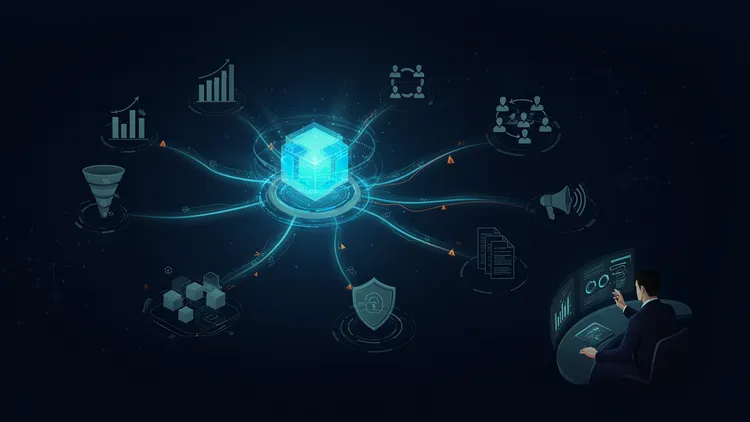
Organizations are generating more digital information than ever before. Cloud platforms, connected devices, remote work, and artificial intelligence have accelerated innovation while also expanding the cybersecurity landscape. Consequently, businesses must protect sensitive information across increasingly complex digital environments.
Traditional security methods often struggle to keep pace with sophisticated cyber threats. Therefore, organizations are adopting intelligent technologies that improve detection, automate responses, and strengthen resilience. Rather than replacing existing security practices, artificial intelligence enhances them by providing faster insights and more effective protection.
Moreover, companies following the latest Technology insights and IT industry news understand that intelligent security has become a strategic business priority rather than simply an information technology function.
Speed Has Become Essential for Modern Security
Cyber attacks can spread within minutes, making rapid detection more important than ever. Security teams no longer have the luxury of manually reviewing every alert before taking action. Instead, intelligent systems continuously analyze enormous volumes of security data in real time.
Consequently, artificial intelligence identifies suspicious activity, unusual user behavior, and potential vulnerabilities much faster than traditional monitoring tools. Early detection enables organizations to contain threats before they disrupt operations or expose sensitive information.
Furthermore, automated analysis reduces investigation time while allowing security professionals to focus on higher priority incidents that require expert judgment.
Intelligent Threat Detection Improves Protection
Modern cyber threats constantly evolve by using automation, social engineering, and sophisticated attack techniques. As a result, organizations require security systems capable of learning from changing attack patterns.
Artificial intelligence continuously analyzes network activity, endpoint behavior, application performance, and cloud environments to identify anomalies that might otherwise remain unnoticed. Additionally, machine learning improves accuracy by recognizing subtle behavioral changes that indicate potential security incidents.
Therefore, businesses strengthen their defensive capabilities while reducing false alerts that often overwhelm security operations.
Trust Remains the Foundation of Digital Business
Customers expect organizations to protect personal and financial information with the highest level of responsibility. Consequently, trust has become one of the most valuable business assets in today’s digital economy.
Artificial intelligence supports this objective by strengthening identity verification, monitoring user access, detecting fraudulent activities, and improving overall security governance. Nevertheless, technology alone cannot establish trust. Transparent security policies, regulatory compliance, and responsible data management remain equally important.
Likewise, organizations following Finance industry updates recognize that strong data protection directly supports customer confidence, financial stability, and long term business growth.
Resilience Helps Businesses Recover Faster
No organization can completely eliminate cyber risk. Therefore, resilience has become just as important as prevention. Businesses should prepare for potential disruptions while ensuring they can recover quickly with minimal operational impact.
Artificial intelligence contributes by supporting automated incident response, intelligent backup validation, recovery planning, and continuous security monitoring. Consequently, organizations reduce downtime while maintaining business continuity during unexpected security events.
Furthermore, resilient cybersecurity strategies enable businesses to adapt confidently as technology and cyber threats continue evolving.
Human Expertise Continues to Drive Security Success
Although intelligent systems provide exceptional analytical capabilities, experienced cybersecurity professionals remain essential. Human expertise is required to investigate complex incidents, develop security strategies, interpret emerging risks, and make ethical decisions.
Therefore, organizations should combine advanced technology with ongoing employee education and professional development. Continuous learning strengthens security awareness while improving organizational readiness across every department.
Similarly, businesses following HR trends and insights understand that cybersecurity awareness should become part of everyday workplace culture rather than an occasional training activity.
Collaboration Strengthens Enterprise Security
Effective cybersecurity depends on collaboration between technology teams, executive leadership, compliance specialists, finance departments, and business operations. Each department contributes unique knowledge that strengthens organizational resilience.
For example, finance teams help manage operational risks, technology teams implement protective controls, leadership establishes governance, and employees maintain secure working practices. Consequently, security becomes an organization wide responsibility rather than an isolated technical function.
Additionally, organizations exploring Sales strategies and research and Marketing trends analysis recognize that protecting customer information strengthens brand reputation while supporting sustainable business growth.
Innovation Will Continue Shaping Cybersecurity
Artificial intelligence continues advancing through predictive analytics, intelligent automation, behavioral analysis, and adaptive security technologies. Consequently, future cybersecurity solutions will become even more proactive, identifying risks before attackers can exploit vulnerabilities.
Meanwhile, organizations that regularly evaluate their security architecture, modernize infrastructure, and invest in responsible innovation will remain better prepared for future digital challenges. As technology evolves, continuous improvement will remain the key to maintaining resilient security operations.
Practical Insights for Business Leaders
Organizations should view artificial intelligence as a powerful partner that enhances security operations while supporting faster decision making and stronger resilience. Combining intelligent automation with skilled professionals, continuous employee education, effective governance, and proactive risk management creates a balanced cybersecurity strategy that supports long term business success.
Equally important, staying informed through trusted Technology insights, IT industry news, HR trends and insights, Finance industry updates, Sales strategies and research, and Marketing trends analysis enables leaders to strengthen security strategies while adapting confidently to emerging digital threats.
InfoProWeekly delivers trusted technology and business content that helps organizations understand emerging innovations shaping cybersecurity and digital transformation.Connect with InfoProWeekly to explore expert insights on artificial intelligence, cybersecurity, enterprise technology, and business strategies that keep your organization secure and prepared for the future.