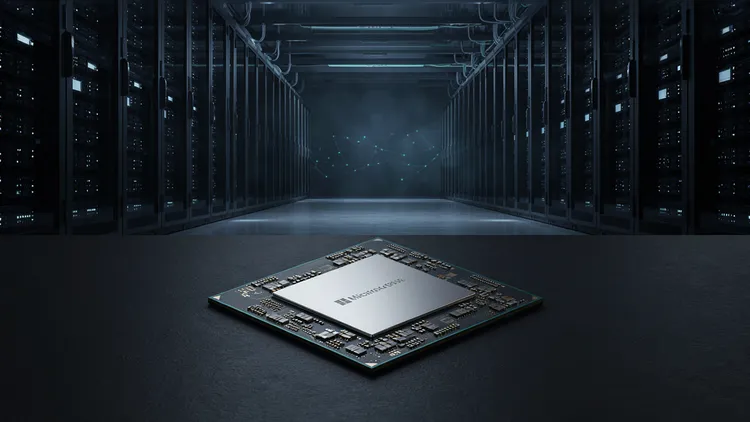
Microsoft has spent years building its position across cloud computing, artificial intelligence and enterprise software. However, the rapid growth of AI has created a new challenge for major technology companies. Access to powerful and affordable computing hardware has become increasingly important.
Against this backdrop, Microsoft’s internal chip ambitions are beginning to attract greater attention. After a slower start, the company appears to be making progress toward developing hardware that can support its expanding artificial intelligence infrastructure.
The move reflects a broader industry shift. Technology companies are no longer relying entirely on external chip suppliers. Instead, many are exploring custom silicon to gain greater control over performance, costs and infrastructure planning.
Why Custom AI Hardware Matters
Training and running advanced AI systems requires enormous computing resources. Traditionally, companies have depended heavily on specialized processors from established semiconductor manufacturers.
However, designing custom hardware can provide important advantages. Companies can optimize chips for their own workloads, improve energy efficiency and potentially reduce long term infrastructure costs.
For Microsoft, these benefits could be particularly significant because its cloud business operates at enormous scale. Even relatively small improvements in computing efficiency can produce meaningful financial benefits when multiplied across large data center networks.
Consequently, the Microsoft AI chip strategy is not simply about competing in the semiconductor market. It is closely connected to the company’s broader cloud and artificial intelligence ambitions.
A Slow Start Reflects a Difficult Challenge
Developing advanced processors is an extremely complicated undertaking. Designing a competitive chip requires specialized engineering talent, extensive testing and close coordination between hardware and software teams.
Therefore, progress can take years rather than months. A company can have significant financial resources and still face technical challenges when attempting to build sophisticated AI hardware internally.
Microsoft’s slower progress illustrates the difficulty of challenging established semiconductor expertise. Nevertheless, continued investment suggests that the company sees enough strategic value to keep developing its own capabilities.
This is an important development for readers following Technology insights and IT industry news because custom AI hardware is becoming an increasingly important part of the technology industry’s competitive landscape.
AI Infrastructure Is Becoming a Strategic Asset
The AI boom has changed how companies think about computing infrastructure. Processing capacity is no longer simply a technical requirement hidden behind the scenes. It has become a strategic resource that can influence product development, cloud pricing and competitive positioning.
As a result, companies are examining every part of the AI infrastructure stack. Chips, servers, networking equipment, data centers and software optimization all play a role in determining how efficiently AI systems can operate.
For Microsoft, greater control over hardware could eventually help the company coordinate these layers more closely. In turn, this could improve how its cloud platforms support increasingly demanding AI workloads.
Competition in AI Chips Is Expanding
The AI semiconductor market is becoming more competitive as technology companies explore alternatives to traditional hardware models. Established chipmakers continue to invest heavily, while cloud providers are developing specialized processors for their own platforms.
This competition could benefit the wider technology ecosystem. More hardware choices may encourage innovation, improve efficiency and create greater flexibility for businesses deploying AI applications.
At the same time, developing custom chips requires substantial investment. Companies must carefully evaluate whether the benefits justify the engineering and manufacturing costs.
This is where Finance industry updates become relevant because major infrastructure investments can influence profitability, capital allocation and long term business strategy.
The Talent Challenge Behind AI Hardware
Hardware development also creates a significant workforce challenge. Semiconductor engineering requires highly specialized knowledge, including chip architecture, system design, verification and manufacturing processes.
Consequently, companies pursuing custom AI processors need access to experienced technical professionals. Competition for this talent is intense because the same skills are valuable across cloud computing, semiconductor companies and AI startups.
This makes HR trends and insights increasingly important for understanding the future of AI infrastructure. Organizations may need to invest in training, recruitment and retention while creating opportunities for engineers to work across hardware and software disciplines.
What This Means for Microsoft and Its Customers
If Microsoft’s internal chip efforts continue to mature, the potential benefits could extend beyond the company’s own infrastructure. Greater hardware flexibility could allow Microsoft to optimize cloud services for specific AI workloads and potentially improve cost efficiency for customers.
However, the strategy should be viewed as a long term effort rather than an immediate replacement for external chip suppliers. Large scale AI systems require multiple types of processors, and companies often benefit from maintaining a diverse hardware ecosystem.
Meanwhile, the broader AI market will continue influencing Sales strategies and research as businesses decide how much they are willing to spend on artificial intelligence infrastructure and services.
Marketing teams will also need to communicate the practical value of AI capabilities rather than focusing exclusively on technical specifications. Marketing trends analysis increasingly points toward customer outcomes, productivity and measurable business benefits.
Insights for Businesses Watching the AI Chip Market
The most important lesson is that AI infrastructure is becoming part of corporate strategy. Businesses adopting AI should pay attention not only to applications and software but also to the computing systems supporting those technologies.
Organizations can benefit from evaluating performance, energy consumption, infrastructure costs and long term scalability before committing to major AI investments. Furthermore, companies should avoid assuming that the newest hardware automatically delivers the best business outcome.
Microsoft’s experience demonstrates that building specialized technology takes patience, investment and highly skilled teams. If its efforts continue to gain momentum, the company could eventually have greater control over an increasingly important part of the AI ecosystem. For more Technology insights, IT industry news and analysis of emerging business trends, connect with InfoProWeekly for informed perspectives that help businesses understand what comes next.
Reach out to InfoProWeekly for deeper coverage of technology and business developments shaping the modern economy. Stay informed with practical analysis designed to support smarter decisions.