
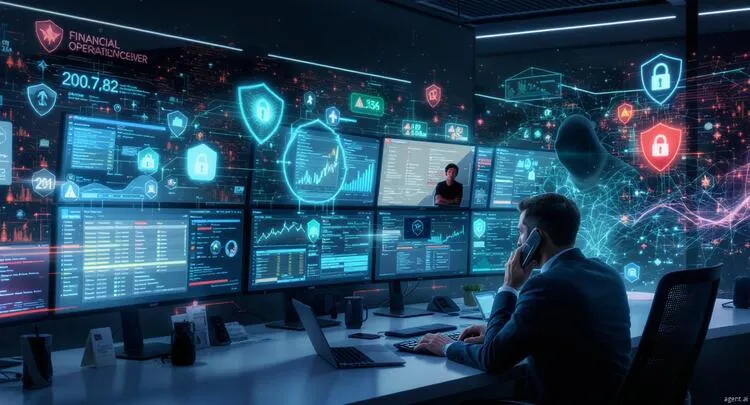
Cybersecurity threats continue to evolve, and attackers are becoming more creative in the way they target businesses. Recently, security researchers at Google highlighted a concerning trend involving cybercriminals who contact employees at financial organizations through phone calls before launching sophisticated attacks. This warning has drawn significant attention because it combines social engineering with technical hacking techniques, making the attacks more convincing and potentially more damaging.
Moreover, these campaigns demonstrate that cybercriminals are increasingly targeting people instead of systems. Rather than attempting to break through advanced security tools directly, attackers exploit human trust to gain access to sensitive information. Consequently, organizations must strengthen both technical defenses and employee awareness to stay protected.
How Phone Calls Become the First Step in an Attack
Unlike traditional phishing emails, voice based attacks create a stronger sense of urgency. Attackers often impersonate trusted colleagues, technology support teams, or business partners. They may claim that an employee account has been compromised or that immediate action is required to prevent financial losses.
Furthermore, these calls are carefully planned to appear legitimate. Criminals frequently gather publicly available information about employees and company operations before making contact. As a result, conversations sound authentic and reduce the likelihood that victims will question the request.
Eventually, the attacker persuades the employee to reveal login credentials, approve multifactor authentication requests, install remote access software, or visit fraudulent websites. Once access is obtained, cybercriminals can steal confidential information, encrypt systems with ransomware, or demand large payments from victims.
Why Financial Firms Are Prime Targets
Financial organizations manage highly valuable customer information, confidential transactions, and significant monetary assets. Therefore, they remain attractive targets for cybercriminal groups seeking financial gain.
Additionally, financial firms often maintain relationships with multiple partners, vendors, and customers. This complex communication environment gives attackers more opportunities to impersonate legitimate contacts. Consequently, even experienced employees can become victims if proper verification procedures are not followed.
Recent Finance industry updates continue to highlight how financial institutions are investing heavily in stronger cybersecurity frameworks, employee education, and advanced threat detection technologies to address these evolving risks.
Social Engineering Is Becoming More Sophisticated
Modern cybercrime is no longer limited to malicious software. Instead, psychological manipulation has become one of the most effective attack methods. Criminals exploit urgency, authority, fear, and trust to influence employee decisions.
Similarly, attackers may combine phone calls with fraudulent emails or text messages, creating multiple layers of deception that appear genuine. This coordinated approach significantly increases the success rate of attacks because victims often believe they are responding to legitimate business requests.
According to ongoing Technology insights, organizations that regularly conduct employee awareness training experience fewer successful social engineering attacks compared with businesses that rely only on technical security controls.
Google Encourages Stronger Employee Awareness
Google’s security researchers emphasize that cybersecurity is a shared responsibility across every department rather than solely an information technology function. Employees should verify unexpected requests through official communication channels before sharing credentials or approving sensitive actions.
In addition, organizations should encourage staff to report suspicious phone calls immediately instead of handling uncertain situations independently. This simple practice can prevent attackers from gaining an early advantage.
Current IT industry news reflects a growing industry focus on identity protection, zero trust security models, and continuous authentication as businesses strengthen defenses against evolving cyber threats.
Building a Security First Workplace Culture
Technology alone cannot eliminate cyber risks. Instead, organizations must develop a culture where security awareness becomes part of everyday business operations.
For example, human resources teams play an important role by integrating cybersecurity education into employee onboarding and ongoing training programs. These initiatives align with emerging HR trends and insights, where organizations recognize that informed employees serve as the first line of defense against social engineering attacks.
Likewise, leadership should communicate cybersecurity expectations clearly while creating an environment where employees feel comfortable reporting mistakes without fear of punishment. As a result, potential incidents can be identified and contained much faster.
Protecting Every Department From Modern Cybercrime
Cybersecurity affects every business function. Marketing teams should verify requests involving customer databases and digital campaigns, particularly as evolving Marketing trends analysis reveals increasing attacks against marketing platforms and customer communication channels.
Sales professionals also handle valuable customer information and frequently communicate with external contacts. Therefore, current Sales strategies and research increasingly emphasize secure communication practices alongside relationship building and business growth.
By integrating security awareness into every department, organizations create stronger resilience against attacks that depend on human interaction rather than technical vulnerabilities.
Valuable Business Insights for Stronger Cybersecurity
Organizations should treat every unexpected phone call requesting confidential information as a potential security incident until verified through trusted channels. Furthermore, implementing multifactor authentication, regular security awareness training, strict identity verification procedures, and continuous monitoring can significantly reduce the risk of successful attacks. Staying informed through reliable Technology insights, IT industry news, HR trends and insights, Finance industry updates, Sales strategies and research, and Marketing trends analysis helps businesses respond proactively to emerging cybersecurity threats while protecting employees, customers, and critical business assets.
Connect With InfoProWeekly
Stay informed with trusted reporting and expert analysis that helps your organization navigate emerging cybersecurity risks and business technology developments. Reach out to InfoProWeekly for reliable industry coverage, practical security insights, and the latest updates shaping the future of business.