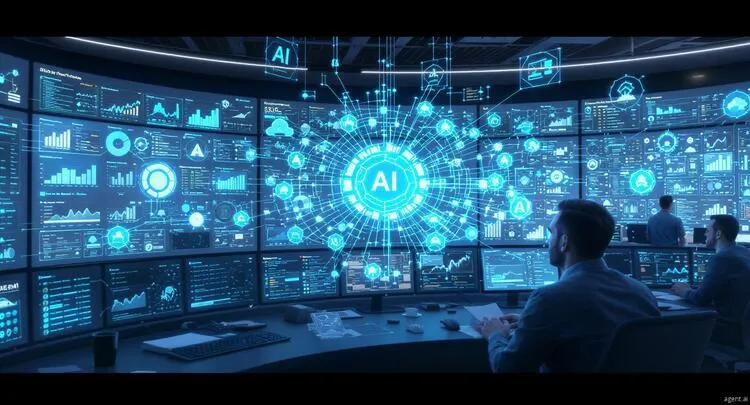
Artificial intelligence is reshaping how organizations manage infrastructure, monitor applications, and respond to operational challenges. AI Ops platforms promise faster issue detection, intelligent automation, and improved system performance. As a result, many enterprises are investing in these technologies to strengthen operational efficiency and reduce manual workloads.
However, rapid adoption also introduces new challenges. According to Gartner, organizations should carefully evaluate how AI Ops platforms fit within their existing technology ecosystems. Although these tools offer significant advantages, deploying multiple platforms without a clear strategy can create unnecessary complexity rather than simplifying operations.
The Growing Concern Around IT Complexity
Businesses increasingly rely on specialized software for monitoring networks, securing endpoints, managing cloud infrastructure, and analyzing application performance. Consequently, IT teams often work across numerous management consoles every day.
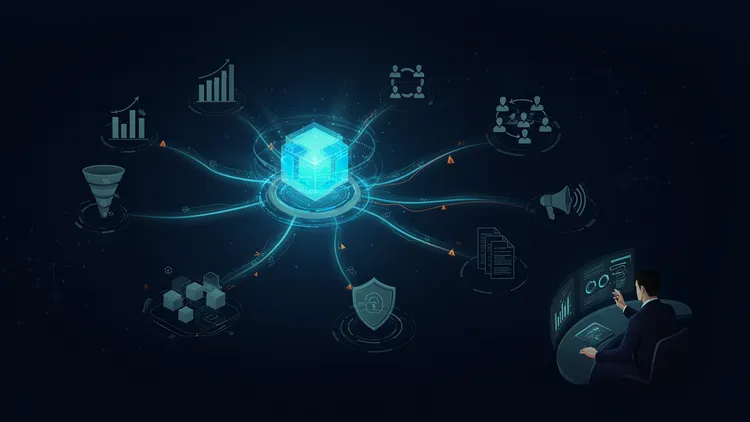
When additional AI Ops platforms are introduced without proper integration, organizations may experience console sprawl, where multiple dashboards manage overlapping tasks. Therefore, administrators spend more time switching between systems instead of focusing on strategic priorities. Furthermore, inconsistent data across different platforms can slow incident response and complicate decision making.
Following reliable Technology insights helps organizations understand these evolving operational challenges before they become larger business risks.
Why Console Sprawl Matters
Console sprawl affects more than productivity. It can also reduce visibility across the entire technology environment. If security alerts, infrastructure monitoring, and performance analytics remain separated across several platforms, identifying the root cause of an issue becomes more difficult.
Similarly, duplicated alerts may overwhelm IT teams and contribute to alert fatigue. Consequently, important warnings could receive delayed attention while teams investigate unnecessary notifications. As organizations expand cloud services and hybrid infrastructure, maintaining centralized visibility becomes increasingly important.
For this reason, businesses monitoring IT industry news are placing greater emphasis on integrated management platforms rather than disconnected technology solutions.
AI Should Simplify Rather Than Complicate
Artificial intelligence delivers its greatest value when it supports existing workflows instead of creating additional operational burdens. Therefore, organizations should prioritize AI Ops solutions that integrate naturally with their current infrastructure.
Moreover, businesses should evaluate whether new platforms reduce manual work or simply introduce another management layer. A carefully planned implementation often produces stronger results because employees understand how each system contributes to broader business objectives.
Likewise, collaboration between infrastructure teams, cybersecurity specialists, and business leaders helps ensure AI investments align with organizational priorities.
Strategic Planning Makes the Difference
Successful AI adoption depends on planning as much as technology. Organizations should establish clear governance before introducing new operational tools. Consequently, technology leaders can reduce unnecessary software duplication while improving long term efficiency.
In addition, standardizing monitoring practices across departments creates greater consistency throughout the organization. This approach enables faster troubleshooting, more accurate reporting, and stronger operational resilience.
Businesses also benefit from reviewing Finance industry updates because technology investments increasingly require measurable returns and carefully managed operational costs.
People Remain Essential to AI Success
Although AI can automate repetitive tasks, experienced IT professionals continue making the strategic decisions that keep technology environments secure and reliable. Consequently, organizations should invest in employee development alongside AI implementation.
Training teams to interpret AI generated recommendations improves confidence while reducing the likelihood of incorrect automated responses. At the same time, understanding evolving HR trends and insights helps organizations prepare employees for changing responsibilities as automation becomes more common.
Furthermore, encouraging collaboration across departments creates stronger communication and ensures AI tools support business objectives rather than operating independently.
Looking Beyond Automation
Modern enterprises require technology strategies that balance innovation with simplicity. Instead of adopting every available AI solution, organizations should focus on platforms that improve operational visibility and support long term scalability.
Similarly, understanding customer expectations through Marketing trends analysis and improving business growth through informed Sales strategies and research allows technology investments to contribute directly to organizational success. As digital transformation continues accelerating, simplicity often becomes one of the most valuable competitive advantages.
Practical Insights for IT Leaders
Organizations should evaluate every AI Ops platform based on integration capabilities, operational value, and long term scalability before deployment. Equally important, consolidating management tools where possible helps reduce complexity while improving visibility across technology environments. Continuous employee training, regular platform reviews, and clear governance policies ensure AI enhances operational efficiency instead of creating additional management challenges.
InfoProWeekly delivers trusted coverage of Technology insights, IT industry news, HR trends and insights, Finance industry updates, Sales strategies and research, and Marketing trends analysis to help business and technology leaders make informed decisions. Connect with InfoProWeekly for expert analysis and practical industry knowledge that helps your organization stay ahead in an increasingly connected digital world.