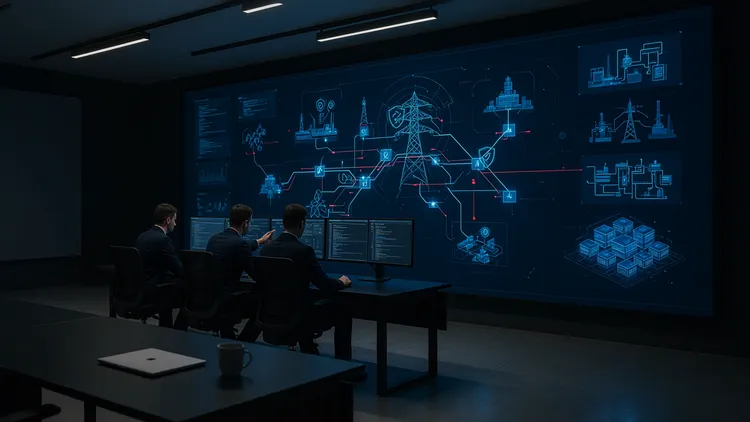
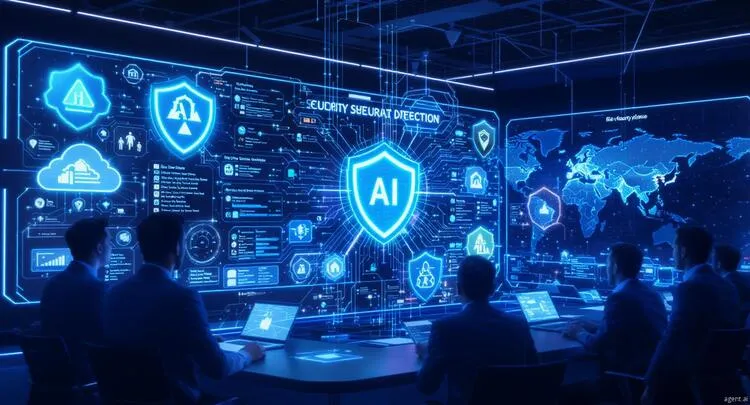
The digital landscape is becoming more connected, and with greater connectivity comes greater responsibility. Organizations of every size now rely on cloud platforms, remote work environments, artificial intelligence, and connected devices to operate efficiently. Consequently, cybercriminals have more opportunities to identify weaknesses and launch sophisticated attacks.
Rather than waiting for a breach to expose vulnerabilities, businesses are beginning to rethink how they protect critical systems and sensitive information. A modern security strategy focuses on anticipating risks instead of simply reacting to them. As a result, organizations become more resilient while maintaining customer trust and business continuity.
Moreover, companies following the latest Technology insights and IT industry news are recognizing that cybersecurity is no longer just an information technology concern. Instead, it has become a business priority that influences every department.
Traditional Security Approaches Are No Longer Enough
Many organizations still depend on security models designed for an earlier generation of threats. However, attackers continuously adapt their methods by using automation, artificial intelligence, and social engineering techniques that evolve faster than traditional defenses.
At the same time, employees access company resources from multiple locations and devices. Therefore, businesses must secure identities, applications, cloud services, and endpoints without creating unnecessary complexity.
Furthermore, organizations that modernize their cybersecurity practices are better positioned to detect suspicious behavior before it develops into a major incident. This proactive mindset significantly reduces operational risk while supporting long term business growth.
Prevention Must Be Balanced With Continuous Detection
Strong cybersecurity begins with prevention, yet prevention alone cannot eliminate every risk. Even the most secure organizations may encounter unexpected vulnerabilities as technology continues to evolve.
For this reason, continuous monitoring plays an equally important role. Intelligent security platforms analyze user activity, network traffic, and application behavior in real time. Consequently, unusual patterns are identified much earlier, allowing security teams to investigate and respond before significant damage occurs.
Meanwhile, artificial intelligence improves detection accuracy by identifying subtle indicators that traditional monitoring tools might overlook. Therefore, businesses gain greater visibility across increasingly complex digital environments.
Employees Remain an Essential Part of Cyber Defense
Technology alone cannot protect an organization if employees are unprepared. Human error continues to contribute to many successful cyber incidents, including phishing attacks, credential theft, and accidental data exposure.
Accordingly, organizations should invest in ongoing security awareness programs that help employees recognize suspicious activity and follow secure working practices. Regular education builds confidence while encouraging responsible digital behavior across every department.
Likewise, companies monitoring HR trends and insights understand that cybersecurity training should become part of employee development rather than an occasional compliance exercise.
Artificial Intelligence Is Transforming Security Operations
Artificial intelligence is changing how organizations identify, investigate, and respond to cyber risks. Instead of reviewing thousands of security alerts manually, intelligent systems automatically prioritize the most critical events based on context and potential business impact.
Additionally, machine learning helps security teams recognize emerging attack patterns that may not resemble previous incidents. Consequently, organizations respond faster while reducing alert fatigue and operational complexity.
As businesses continue their digital transformation, combining human expertise with artificial intelligence creates stronger protection against increasingly sophisticated cyber threats.
Business Collaboration Strengthens Cyber Resilience
Cybersecurity should never exist in isolation. Instead, every department contributes to building a resilient organization. Executive leadership establishes governance, technology teams implement protective controls, human resources promote awareness, and compliance professionals ensure regulatory readiness.
Similarly, marketing teams protect customer trust by safeguarding digital experiences, while finance departments secure sensitive financial information from fraud and unauthorized access. This collaborative approach creates stronger organizational resilience because every function supports shared security objectives.
Organizations staying informed through Finance industry updates, Marketing trends analysis, and Sales strategies and research also recognize how cybersecurity directly influences customer confidence, operational efficiency, and long term business performance.
Building Security for Tomorrow Instead of Yesterday
Technology continues to evolve rapidly, introducing new opportunities alongside new risks. Cloud computing, artificial intelligence, connected devices, and automation will continue reshaping business operations over the coming years.
Therefore, organizations should regularly evaluate their security architecture, review access controls, strengthen identity management, update incident response plans, and improve visibility across digital assets. In addition, continuous assessment helps businesses remain prepared for future challenges rather than relying on outdated assumptions.
Most importantly, cybersecurity should become an ongoing business initiative supported by leadership, employees, and technology working together toward common objectives.
Practical Insights for Business Leaders
Organizations achieve stronger digital resilience when cybersecurity becomes part of everyday decision making instead of a response to isolated incidents. Regular security assessments, employee education, intelligent monitoring, and continuous improvement create a foundation that adapts to changing risks while supporting sustainable business growth.
Equally important, following trusted Technology insights, IT industry news, HR trends and insights, Finance industry updates, Sales strategies and research, and Marketing trends analysis helps decision makers understand emerging cybersecurity developments and make informed investments that strengthen long term resilience.
InfoProWeekly delivers trusted business and technology content that helps organizations navigate digital transformation with confidence and clarity.Connect with InfoProWeekly to discover expert perspectives on cybersecurity, emerging technologies, business innovation, and industry trends that keep your organization prepared for the future.