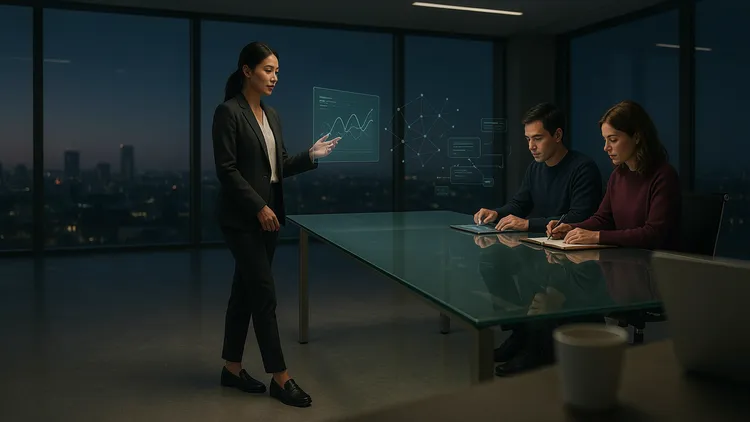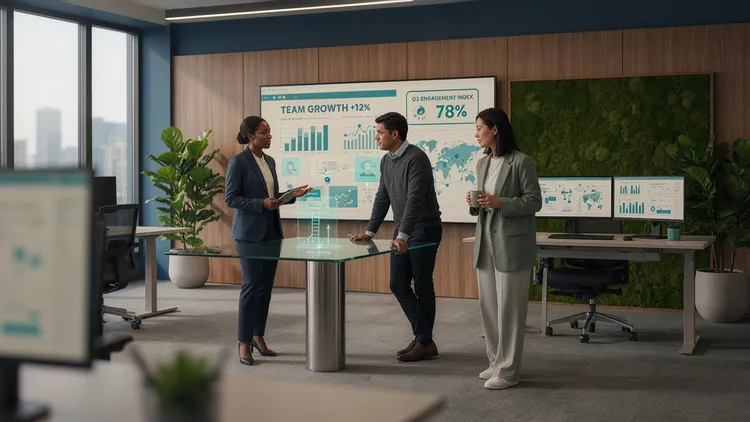

Organizations are entering a new phase where business success depends not only on technology but also on the people behind every innovation. Employee engagement and experience have become central to building productive workplaces that encourage creativity, collaboration, and long term growth. As companies continue adapting to evolving work environments, leaders are recognizing that satisfied employees consistently deliver stronger business outcomes.
Moreover, organizations are investing in smarter workplace strategies that combine digital transformation with human centered leadership. Consequently, businesses are seeing improvements in productivity, retention, and innovation while creating environments where employees genuinely want to contribute. These developments continue to shape valuable HR trends and insights that influence organizations across industries.
Why Employee Experience Shapes Business Performance
Employee experience extends far beyond salary or workplace benefits. It reflects every interaction employees have with an organization from recruitment to career development and daily collaboration. When employees feel respected, supported, and empowered, they naturally become more engaged in achieving company goals.
Furthermore, organizations that prioritize employee wellbeing often experience stronger customer satisfaction and higher operational efficiency. As a result, executives increasingly consider workforce experience an essential business investment rather than an optional initiative. This perspective also contributes meaningful Technology insights by demonstrating how digital workplace solutions improve employee satisfaction.
Technology Creates Better Employee Connections
Modern workplaces rely on intelligent digital platforms that simplify communication, learning, and collaboration. Artificial intelligence, cloud based applications, and automation allow employees to focus on meaningful work instead of repetitive administrative tasks.
In addition, personalized learning platforms help employees strengthen their skills while managers gain valuable workforce analytics that support better decision making. Likewise, virtual collaboration tools have become essential for hybrid and remote teams, ensuring employees remain connected regardless of location.
As technology continues evolving, organizations are integrating employee feedback systems, wellness applications, and intelligent workforce analytics to deliver more personalized workplace experiences. These developments frequently appear within IT industry news as companies embrace digital transformation.
Leadership Builds Lasting Engagement
Although technology plays an important role, effective leadership remains the strongest driver of engagement. Employees consistently value transparency, recognition, and meaningful communication from managers who encourage professional growth.
Similarly, organizations that invest in coaching and leadership development often build stronger workplace cultures. Employees become more willing to share ideas, solve challenges collaboratively, and contribute to continuous improvement initiatives.
Additionally, leaders who actively listen to employee feedback create trust that strengthens long term organizational performance. Therefore, successful businesses balance technological innovation with authentic human leadership.
Flexible Work Continues to Redefine Employee Expectations
Workplace flexibility has transformed from a competitive advantage into a business necessity. Employees increasingly expect organizations to support flexible schedules, hybrid work models, and greater work life balance.
Meanwhile, companies that provide flexibility often experience higher retention rates and increased employee satisfaction. Flexible work also enables organizations to attract skilled professionals from wider geographic locations while supporting diverse workforce needs.
Consequently, businesses continue refining workplace policies that encourage both productivity and employee wellbeing. These changing expectations remain a significant part of ongoing HR trends and insights around the world.
Recognition and Growth Inspire Higher Performance
Employees perform at their best when they feel appreciated and see opportunities for career advancement. Regular recognition programs, continuous learning opportunities, and transparent promotion pathways encourage stronger engagement across every department.
Likewise, organizations investing in mentoring and professional development create confident employees who willingly embrace innovation and change. At the same time, businesses strengthen internal talent pipelines that reduce recruitment costs and improve long term stability.
These workforce investments also influence Finance industry updates by demonstrating how employee development contributes to sustainable financial performance.
Data Driven Decisions Improve Workplace Culture
Organizations increasingly rely on workforce analytics to understand employee satisfaction and identify opportunities for improvement. Employee surveys, engagement metrics, and performance insights allow leaders to make informed decisions that enhance workplace culture.
Furthermore, predictive analytics help businesses recognize potential retention risks before valuable employees leave the organization. Consequently, companies can introduce targeted initiatives that improve morale and strengthen employee loyalty.
Data driven strategies also support Marketing trends analysis because engaged employees frequently become authentic brand advocates who strengthen employer reputation and customer trust.
Employee Engagement Supports Business Growth
Highly engaged employees contribute more than productivity. They improve innovation, customer relationships, operational efficiency, and overall organizational resilience. Consequently, businesses that prioritize engagement consistently outperform competitors in changing market conditions.
At the same time, collaborative workplaces encourage cross functional teamwork where employees confidently share knowledge and solve complex business challenges together. These collaborative environments naturally support Sales strategies and research by improving customer interactions and strengthening organizational performance.
Practical Insights for Building Stronger Employee Engagement
Organizations preparing for the future should continuously evaluate employee feedback, invest in leadership development, embrace workplace flexibility, and leverage intelligent technology that simplifies daily work. Equally important, businesses should create cultures where recognition, learning, and open communication become part of everyday operations rather than occasional initiatives.
When organizations successfully combine innovation with genuine employee care, they build resilient workplaces that remain competitive regardless of changing market conditions. This balanced approach will continue shaping successful organizations well beyond 2026.
Connect With InfoProWeekly Stay informed with the latest business innovation, workforce strategies, and technology developments through InfoProWeekly. Reach out today to discover expert insights that help your organization grow with confidence.