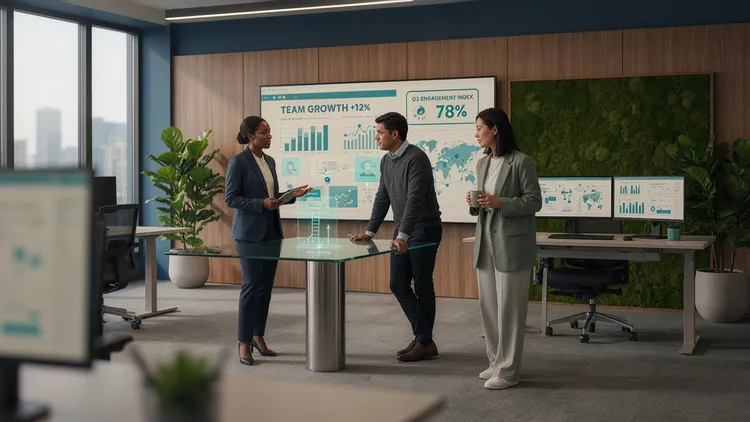
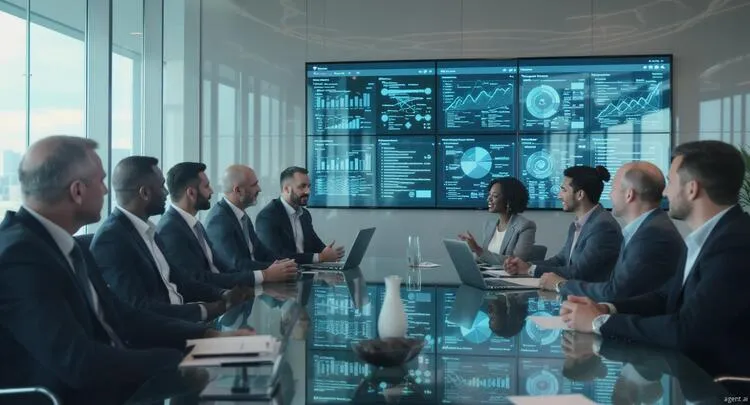
Business performance increasingly depends on how effectively leadership and people strategy work together. C Suite executives establish organizational priorities, while HR leaders help ensure the workforce, culture, skills, and leadership structure can support those priorities.
When these functions operate separately, companies can struggle with hiring decisions, employee retention, productivity, organizational change, and leadership development. However, when C Suite and HR leaders align on business priorities, workforce decisions become more strategic and measurable.
The changing business environment makes this alignment even more important. Technology adoption, economic uncertainty, evolving employee expectations, and skills shortages are forcing organizations to rethink how they plan for growth.
What Skills Will the Business Need Next
One of the most important conversations concerns future capabilities. Companies cannot build a long term strategy without understanding whether their workforce has the skills required to execute it.
Technology is changing job responsibilities across industries, while artificial intelligence is creating new roles and transforming existing ones. Consequently, HR leaders need a clear understanding of where the business is heading before developing recruitment and training strategies.
Technology insights and IT industry news can help leaders identify emerging capabilities, but organizations must translate those developments into practical workforce plans.
How Should the Company Approach AI and Automation
Artificial intelligence is no longer simply an IT discussion. It can influence recruitment, customer service, marketing, finance, operations, and employee productivity.
C Suite and HR leaders should therefore establish a shared understanding of where automation can create value and where human expertise remains essential. The objective should not be to automate tasks simply because technology makes it possible.
Instead, leaders should consider how AI can improve productivity while helping employees develop new capabilities. Furthermore, HR should be involved early when automation changes job responsibilities, performance expectations, or organizational structures.
What Does the Workforce Strategy Need to Support Growth
Growth requires more than hiring additional employees. Organizations need the right combination of skills, leadership, culture, and operational capacity.
Leadership teams should communicate their growth expectations clearly so HR can determine whether the organization needs new talent, internal mobility, leadership development, or workforce restructuring.
For example, Finance industry updates may influence hiring plans when budgets become tighter, while Sales strategies and research may reveal the need for additional customer facing capabilities. Similarly, Marketing trends analysis can identify emerging skills required to support new digital channels.
Therefore, workforce strategy should be connected directly to business strategy.
How Will Leadership Measure Employee Success
Another important area of alignment involves performance measurement. Employees need to understand what success looks like, while executives need reliable information about whether workforce investments are producing results.
Traditional performance reviews alone may not provide enough insight. Organizations increasingly need to examine productivity, engagement, retention, capability development, and business outcomes together.
HR trends and insights can help organizations understand changing expectations around employee performance. Nevertheless, metrics should support meaningful decisions rather than create unnecessary administrative work.
A strong performance framework connects individual contributions with broader organizational objectives.
How Will the Company Build a Stronger Leadership Pipeline
Organizations can face significant disruption when critical leadership positions suddenly become vacant. C Suite and HR leaders should therefore discuss succession planning before a leadership gap appears.
Developing future leaders requires more than identifying high performing employees. Companies need structured opportunities for employees to develop decision making, communication, strategic thinking, and people management skills.
Moreover, leadership development should reflect the company’s future direction. A business preparing for major technological change may need leaders who are comfortable managing transformation and working across increasingly digital environments.
How Will Leaders Maintain Employee Trust During Change
Organizational change can create uncertainty. Employees may worry about new technology, restructuring, changing responsibilities, or shifting performance expectations.
C Suite and HR leaders should therefore agree on how major changes will be communicated. Employees are more likely to support transformation when leaders explain why it is happening, what it means for teams, and how employees will be supported.
Transparency is particularly important when decisions affect jobs or workplace structures. Even when leaders cannot provide every answer, honest communication can strengthen trust.
Turning Alignment Into Business Advantage
Alignment should not be limited to occasional executive meetings. It needs to become part of how organizations plan, measure, and communicate.
Leadership teams can create stronger connections by involving HR in strategic planning, reviewing workforce data alongside financial and operational metrics, and discussing people implications before major business decisions are finalized.
Consequently, HR becomes more than an administrative function. It becomes a strategic partner that helps the organization understand whether its workforce can realistically deliver its ambitions.
Practical Insights for Business Leaders
The most valuable outcome from these conversations is not simply agreement. It is shared accountability. C Suite executives and HR leaders should leave strategic discussions with a common understanding of the capabilities, culture, leadership, and workforce investments required for future growth.
Organizations that connect people strategy with business strategy can respond more effectively to technological disruption, market changes, and evolving employee expectations. For more Technology insights, HR trends and insights, and practical perspectives on modern business leadership, connect with InfoProWeekly.
Explore InfoProWeekly for the latest analysis covering workforce strategy, technology, leadership, business transformation, and emerging industry trends.