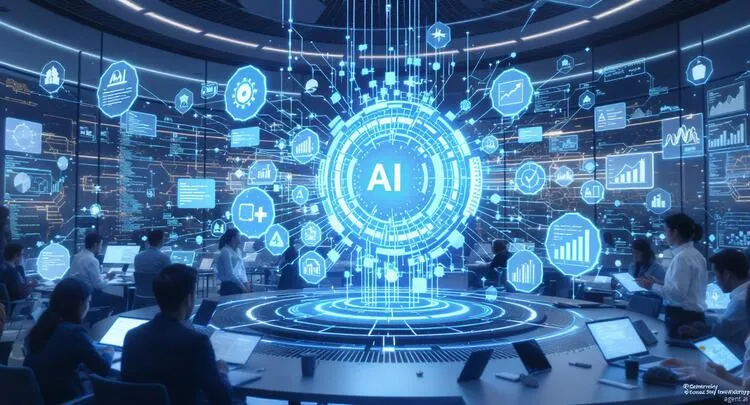
Artificial intelligence is steadily reshaping the way people acquire knowledge, collaborate, and solve problems. OpenAI has taken another meaningful step in that direction by introducing new learning and teaching experiences through ChatGPT Work and Codex. These enhancements are designed to make education more interactive while helping professionals, educators, and students work with AI in a more practical and responsible way.
As organizations continue embracing digital transformation, intelligent learning platforms are becoming essential across classrooms and workplaces alike. Consequently, the latest developments demonstrate how AI can simplify complex tasks without replacing human creativity. At the same time, they reinforce the growing importance of responsible AI adoption across different industries.
A Fresh Approach to AI Assisted Learning
The latest updates focus on making learning more engaging by allowing users to interact with AI in a collaborative environment. Rather than simply providing direct answers, the platform encourages deeper understanding through guided explanations, practical examples, and contextual support.
Furthermore, ChatGPT Work enables teams to organize knowledge, collaborate on projects, and streamline workflows within a secure environment. This creates opportunities for businesses, educational institutions, and research organizations to improve productivity while maintaining greater control over shared information.
Meanwhile, Codex continues to strengthen AI assisted coding by helping developers understand programming concepts, generate code, explain technical logic, and accelerate software development tasks. As a result, learners gain practical coding experience while experienced developers can reduce repetitive work and focus on innovation.
Empowering Educators and Students
Modern education increasingly depends on personalized learning experiences. Therefore, these new capabilities provide educators with flexible ways to create interactive lessons, explain difficult concepts, and encourage meaningful classroom discussions.
Students also benefit from adaptive guidance that supports independent learning instead of simply delivering final answers. Likewise, AI can assist with research, brainstorming, writing improvement, and technical problem solving while encouraging critical thinking throughout the learning process.
Because education extends far beyond traditional classrooms, these improvements also support professionals seeking continuous skill development. Whether someone is learning programming, improving communication, or exploring new technologies, AI becomes a valuable learning companion rather than just a search tool.
Strengthening Workplace Collaboration
The workplace is evolving alongside artificial intelligence. Accordingly, organizations require tools that help employees learn faster while maintaining security and compliance. ChatGPT Work addresses these expectations by offering collaboration features designed for business environments.
Teams can share knowledge more efficiently, document internal processes, and support decision making through AI powered assistance. In addition, organizations can build stronger knowledge bases that help employees find relevant information without spending valuable time searching across multiple resources.
These improvements are particularly relevant as companies continue investing in digital transformation initiatives across different sectors. Consequently, AI driven collaboration is becoming an important component of modern business operations.
Codex Expands Opportunities for Developers
Software development remains one of the fastest growing applications of artificial intelligence. Codex builds upon this momentum by helping developers write cleaner code, understand unfamiliar programming languages, identify potential improvements, and learn new development techniques more efficiently.
Instead of replacing developers, the platform supports faster experimentation and continuous learning. Similarly, beginners can receive structured explanations while experienced professionals can accelerate development cycles and improve productivity.
As technology continues advancing, AI assisted coding is expected to become a standard part of software engineering education and enterprise development environments.
The Growing Impact Across Industries
The influence of AI learning tools extends well beyond education. Businesses are increasingly integrating intelligent assistants into everyday workflows to improve efficiency, collaboration, and decision making.
For readers following Technology insights, these developments highlight the expanding role of enterprise AI in digital workplaces. Likewise, professionals interested in IT industry news can observe how secure AI platforms are becoming essential business tools.
The updates also contribute to evolving HR trends and insights by supporting employee onboarding, corporate training, and continuous workforce development. In addition, organizations monitoring Finance industry updates may recognize opportunities to improve compliance training and knowledge management through AI powered assistance.
Similarly, sales teams can benefit from AI generated learning resources that strengthen communication skills and customer engagement. This aligns closely with emerging Sales strategies and research, where personalized coaching and intelligent knowledge sharing continue to gain importance.
From a business growth perspective, marketers can leverage AI to improve content planning, campaign development, and audience education. These capabilities naturally complement ongoing Marketing trends analysis, where AI driven productivity remains a major focus.
Responsible Innovation Remains Essential
Although AI capabilities continue expanding, responsible implementation remains equally important. OpenAI emphasizes that these experiences are designed to support learning while encouraging transparency, critical thinking, and human oversight.
Moreover, organizations adopting AI should establish clear governance policies, provide employee training, and continuously evaluate how intelligent systems are used within educational and professional environments. By combining technological innovation with ethical practices, businesses can maximize long term value while maintaining user trust.
What This Means for the Future of Learning
The newest advancements demonstrate that artificial intelligence is evolving from a simple productivity tool into an intelligent learning partner. As educational institutions and businesses embrace AI assisted collaboration, personalized learning experiences are likely to become increasingly common.
Moreover, professionals who continuously develop AI literacy will be better positioned to adapt to changing workplace expectations. Equally important, educators who integrate intelligent tools responsibly can create more engaging learning environments that encourage creativity, curiosity, and independent problem solving.
Rather than viewing AI as a replacement for human expertise, organizations should recognize it as a technology that enhances knowledge sharing, collaboration, and lifelong learning. Those who embrace this balanced approach will be better prepared for the next generation of digital innovation. Reach out to InfoProWeekly for trusted coverage of emerging technologies, enterprise innovation, and business transformation. Stay connected with our expert reporting to keep ahead of the latest developments shaping industries worldwide.