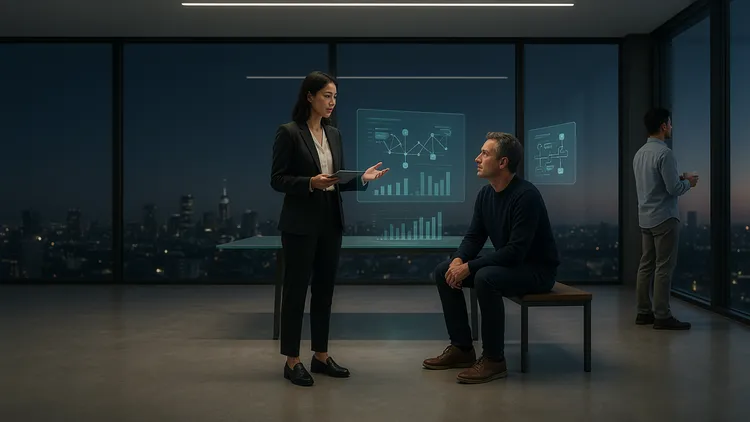
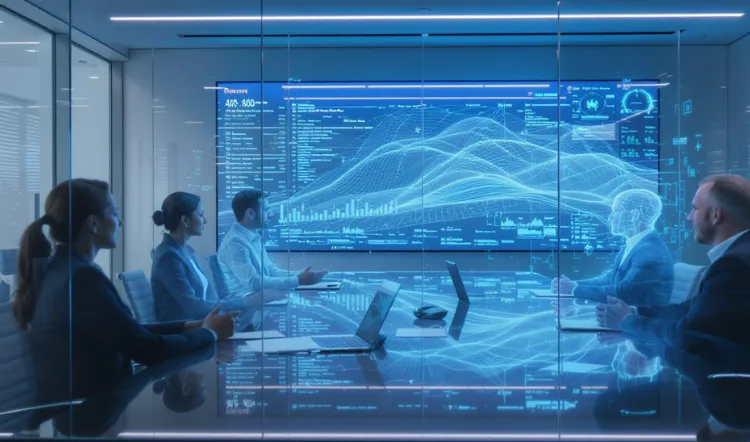
Remote and hybrid work have transformed the way teams connect, yet many virtual meetings still struggle to replicate the feeling of being in the same room. Google is aiming to close that gap through its latest innovation. As part of its ongoing effort to improve workplace communication, Google Beam is testing new approaches that could make group interactions more natural, engaging, and productive.
The announcement has attracted attention across the technology sector because it highlights a growing focus on immersive communication. At the same time, organizations searching for meaningful technology insights are paying close attention to how these developments may influence collaboration in the years ahead.
Understanding the Vision Behind Google Beam
Google Beam is designed to create a more lifelike meeting environment by using advanced imaging, artificial intelligence, and spatial technology. Rather than relying solely on traditional video conferencing layouts, the platform aims to provide participants with a stronger sense of presence during conversations.
As businesses continue to embrace flexible work models, the demand for richer communication experiences has increased significantly. Consequently, solutions that reduce digital fatigue and improve engagement are becoming a priority. Google Beam seeks to address these challenges by making virtual interactions feel more authentic and intuitive.
Furthermore, the platform represents Google’s broader commitment to enhancing workplace productivity through AI powered experiences. This direction aligns with wider IT industry news that increasingly focuses on intelligent collaboration tools.
Why Better Group Meetings Matter
Group meetings remain essential for decision making, brainstorming, project planning, and team building. However, communication barriers often emerge when participants are distributed across different locations. Delayed responses, reduced visual cues, and limited engagement can negatively affect outcomes.
A more immersive environment can help participants interpret facial expressions, body language, and conversational signals more effectively. As a result, discussions may become more efficient and meaningful.
Moreover, organizations are recognizing that communication quality directly impacts employee satisfaction. This connection is particularly relevant when examining current HR trends and insights that emphasize workplace experience and employee engagement.
The Role of Artificial Intelligence
Artificial intelligence plays a central role in enabling advanced meeting experiences. AI technologies can process visual information, improve image quality, enhance audio clarity, and support real time interactions.
In addition, AI powered systems can adapt to different meeting environments and participant behaviors. This adaptability helps create smoother conversations while reducing distractions. Therefore, the technology not only improves user experience but also strengthens overall collaboration effectiveness.
Many experts believe that future workplace platforms will rely heavily on intelligent automation. Consequently, developments surrounding Google Beam may offer a glimpse into the next generation of digital communication tools.
Business Impact Across Industries
The potential influence of enhanced virtual meetings extends beyond technology companies. Organizations in healthcare, education, finance, consulting, and professional services can all benefit from improved collaboration capabilities.
For example, finance industry updates frequently highlight the growing importance of secure and efficient communication among distributed teams. Better meeting experiences can support faster decision making and stronger stakeholder engagement.
Likewise, marketing departments increasingly rely on virtual collaboration when coordinating campaigns across regions. In this context, marketing trends analysis often points toward technologies that strengthen creativity and teamwork.
Meanwhile, sales teams can leverage more engaging meetings to build stronger customer relationships. This aligns with modern sales strategies and research that emphasize personalized communication and trust building throughout the customer journey.
Challenges That Still Need Attention
Although the technology shows considerable promise, several challenges remain. High quality immersive experiences often require specialized hardware, robust network infrastructure, and significant computing resources.
Additionally, organizations must consider privacy, accessibility, and scalability before implementing advanced communication systems. While innovation creates new opportunities, businesses also need practical solutions that fit their operational requirements.
Nevertheless, technology providers continue to invest heavily in overcoming these limitations. As hardware becomes more accessible and AI capabilities improve, adoption barriers may gradually decrease.
What This Means for the Future of Work
The evolution of workplace communication is unlikely to slow down. Employees increasingly expect digital experiences that are seamless, engaging, and efficient. Therefore, organizations are exploring solutions that can bridge the gap between physical and virtual collaboration.
Google Beam reflects a broader industry movement toward creating more human centered technology experiences. Furthermore, it demonstrates how artificial intelligence can enhance everyday business interactions without disrupting existing workflows.
As hybrid work becomes a permanent feature of many organizations, innovations in communication technology will continue shaping how teams connect, collaborate, and achieve shared goals. Keeping pace with these developments will remain essential for leaders seeking valuable technology insights and competitive advantages.
Practical Insights for Business Leaders
Organizations evaluating future collaboration platforms should focus on employee experience, scalability, security, and long term value rather than simply adopting the latest technology. In addition, leaders should assess how immersive communication tools align with business objectives and workforce needs.
Equally important, companies should monitor emerging IT industry news, evolving HR trends and insights, finance industry updates, sales strategies and research, and marketing trends analysis to understand how communication technology is influencing broader business performance. By taking a strategic approach, organizations can maximize the benefits of next generation collaboration tools while preparing for future workplace transformations.
Connect with InfoProWeekly for expert perspectives, industry analysis, and actionable insights that help organizations thrive in a rapidly changing world.