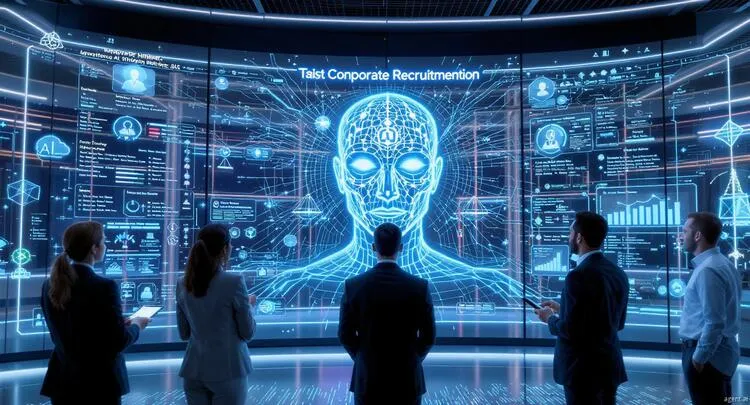
Artificial intelligence has become an increasingly important part of modern recruitment. Organizations now use intelligent systems to screen resumes, rank candidates, schedule interviews, and identify suitable applicants more efficiently. As hiring volumes continue growing, AI offers speed and consistency that traditional recruitment processes often struggle to match.
However, recent discussions among researchers and industry experts suggest that artificial intelligence may also introduce unintended bias during hiring if it is not designed, trained, and monitored carefully. Consequently, organizations must balance automation with responsible decision making. These developments also provide valuable Technology insights into the evolving relationship between artificial intelligence and workforce management.
How AI Learns From Existing Data
Artificial intelligence models rely on historical data to recognize patterns and make predictions. When past hiring information contains imbalances or reflects previous workplace preferences, AI systems may unknowingly learn those patterns and reproduce them in future recommendations.
Therefore, the quality of training data plays a significant role in determining how fairly AI evaluates applicants. Moreover, incomplete or unrepresentative datasets may influence hiring outcomes in ways that organizations never intended.
As a result, businesses should carefully review the information used to develop and improve recruitment systems.
Human Judgment Still Plays An Essential Role
Although AI can process thousands of applications quickly, hiring decisions involve more than identifying keywords or matching qualifications. Recruiters often consider communication skills, adaptability, leadership potential, and cultural alignment during candidate evaluations.
Furthermore, experienced hiring professionals can recognize situations where automated recommendations require additional review. Consequently, combining technology with human oversight creates a more balanced recruitment process.
Likewise, ongoing IT industry news demonstrates that many organizations continue adopting hybrid hiring models that combine AI efficiency with professional expertise.
Transparency Builds Greater Trust
Candidates increasingly expect employers to explain how technology supports recruitment decisions. Therefore, organizations that communicate openly about AI assisted hiring strengthen trust while improving candidate experiences.
In addition, companies should regularly evaluate automated systems to identify potential inconsistencies before they affect recruitment outcomes. Transparent review processes also help organizations maintain confidence in their hiring practices.
Similarly, businesses monitoring HR trends and insights recognize that ethical AI adoption has become an important component of employer branding and talent acquisition strategies.
Building Fair Recruitment Systems
Responsible AI begins with thoughtful design and continuous evaluation. Organizations should regularly test recruitment systems using diverse datasets while monitoring results for unintended patterns that may affect different groups of applicants.
Moreover, updating models with balanced information helps improve fairness over time. Equally important, recruitment teams should establish clear governance policies that define how artificial intelligence supports rather than replaces human decision making.
Consequently, businesses can improve efficiency while protecting fairness throughout the hiring journey.
Why Ethical AI Supports Better Business Outcomes
Fair recruitment practices benefit organizations in several ways. Diverse teams often contribute broader perspectives, stronger innovation, and improved problem solving across business functions.
Additionally, transparent hiring processes strengthen employer reputation while attracting highly qualified candidates. Organizations that invest in responsible technology frequently gain competitive advantages through improved employee engagement and long term workforce stability.
Meanwhile, professionals following Marketing trends analysis understand that ethical business practices increasingly influence brand perception among customers, investors, and future employees alike.
Balancing Innovation With Accountability
Artificial intelligence will continue transforming recruitment as technology advances. Nevertheless, organizations should treat AI as a decision support tool rather than the final authority in hiring.
Furthermore, leaders reviewing Finance industry updates recognize that responsible AI governance reduces regulatory risks while protecting long term business performance. Likewise, executives exploring Sales strategies and research understand that stronger, more diverse teams often contribute to improved customer relationships and sustainable growth.
Accordingly, balancing technological innovation with accountability remains essential for future ready organizations.
Practical Insights For Smarter Hiring
Businesses should regularly audit AI recruitment systems, evaluate training data quality, and ensure meaningful human oversight throughout the hiring process. Investing in transparency, diverse datasets, ethical governance, and continuous performance monitoring helps organizations reduce unintended bias while improving recruitment outcomes. Above all, successful hiring combines intelligent technology with informed human judgment to identify the best talent fairly and consistently.
Stay informed with InfoProWeekly for trusted coverage of artificial intelligence, workplace innovation, and emerging business trends that shape the future of recruitment and technology.
Reach out to InfoProWeekly today for expert analysis and practical insights that help your organization make smarter technology and workforce decisions.