
The Rise of Real Time Marketing Measurement
Marketing measurement is shifting from retrospective performance reports toward faster, data driven campaign optimization as businesses seek clearer evidence of advertising effectiveness. In 2026, growing investment in artificial intelligence, advanced analytics and cross channel measurement is increasing pressure on marketing teams to turn performance data into actionable decisions.
The latest industry research highlights both the opportunity and the challenge. Winterberry Group’s September 2026 report on unified marketing measurement found that 83 percent of surveyed enterprise marketers consider cross channel spending optimization a leading priority. However, only 9 percent said their organizations performed unified marketing measurement extremely well.
The findings underline a growing industry concern. Collecting campaign data is no longer enough. Businesses also need reliable ways to interpret results and adjust spending before opportunities disappear.
Industry Research Highlights a Measurement Gap
Several developments are reshaping how organizations evaluate marketing performance.
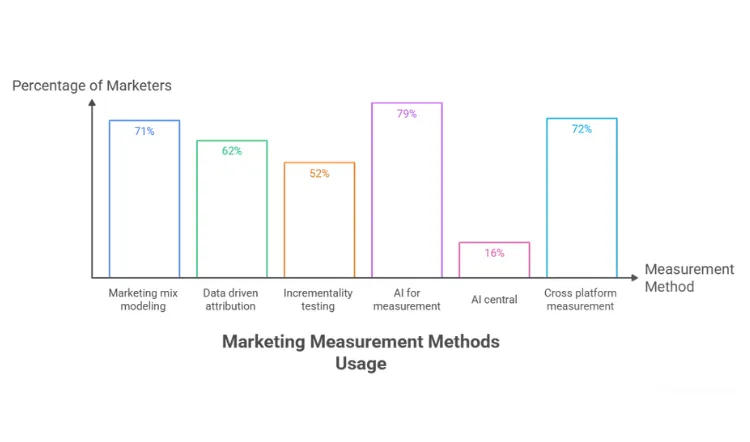
• 71 percent of enterprise marketers surveyed by Winterberry Group use marketing mix modeling to assess the contribution of marketing investments.
• 62 percent use data driven attribution, while 52 percent conduct incrementality testing to understand whether marketing activities generate additional results.
• 79 percent use artificial intelligence for measurement related marketing tasks, but only 16 percent consider AI central to their measurement efforts.
• The Interactive Advertising Bureau’s 2026 Outlook Study found that 72 percent of surveyed buyers planned to increase their focus on cross platform measurement compared with the previous year.
These findings suggest that marketers are moving beyond basic clicks and impressions. Nevertheless, fragmented systems and inconsistent data continue to make it difficult to compare channels and determine which investments generate genuine business value.
Marketing teams are changing how they measure campaign results. Instead of relying only on weekly or monthly reports, businesses want faster insights to improve performance. Advances in artificial intelligence, analytics and marketing technology are helping teams make these changes.
Real time marketing measurement allows marketers to track campaign activity and respond to changes more quickly. For example, teams can monitor website visits, leads, conversions and advertising costs. They can then adjust their campaigns based on the results.
However, faster reporting does not always mean better decisions. Businesses must understand which numbers matter and whether their data is accurate. The goal is to improve results, not simply collect more information.
Why Marketing Measurement Is Changing
Digital marketing now involves search engines, social media, email, paid advertising and company websites. Each channel provides different information about customer behavior.
As a result, marketers often struggle to understand how these channels work together. A customer might discover a company through an online advertisement, visit its website later and eventually contact its sales team.
Traditional reports may not show the full customer journey. Better measurement tools help businesses connect these activities and gain a clearer view of campaign performance.
Furthermore, companies face growing pressure to show how marketing spending supports sales and business growth. This makes accurate reporting an important part of budget planning.
Artificial Intelligence Supports Campaign Optimization
Artificial intelligence is changing how marketing teams study campaign data. Modern tools can identify patterns, highlight performance changes and help teams decide where to focus their efforts.
For example, marketing automation platforms can track conversion rates and advertising costs. Some tools can also suggest changes to audience targeting, budgets and advertising content.
AI tools can also help marketers identify potential customers based on their interests and previous interactions. This is useful for B2B marketing, where the buying process can involve several people and multiple conversations.
However, businesses should not rely on automated recommendations without checking the results. Poor data can lead to poor decisions. Human review remains important when setting budgets and choosing campaign strategies.
Why Accurate Data Matters
Fast reporting is useful only when businesses can trust the information behind it. Different platforms may count conversions in different ways. This can make campaign comparisons difficult.
Google Analytics explains that attribution helps businesses understand how different marketing interactions contribute to conversions. However, conversion reports can change as additional data becomes available.
Privacy settings, tracking limits and incomplete customer records can also affect measurement. Consequently, marketers should avoid treating early results as final.
Businesses can improve accuracy by using consistent tracking methods and clear conversion goals. Connecting website analytics with customer relationship management systems can also help teams understand which campaigns generate valuable leads.
Impact on B2B Marketing and Sales
Better campaign measurement can help B2B companies improve lead generation and demand generation. Teams can identify which campaigns attract potential customers and which activities produce qualified leads.
Account based marketing can also benefit from better data. Marketers can study account engagement and buyer intent to identify businesses that may be ready for sales conversations.
Meanwhile, sales teams can share information about lead quality and customer needs. This creates stronger sales and marketing alignment.
Revenue operations teams can then connect campaign activity with sales opportunities and completed deals. Such insights help businesses understand whether their marketing investments support pipeline growth.
Nevertheless, clicks and website visits do not always lead to revenue. Companies should also track qualified leads, conversion rates and customer acquisition costs.
The Move Toward Unified Measurement
Many businesses are working to bring their marketing data into a single view. This approach helps teams compare channels and understand how different campaigns contribute to business results.
Marketing mix modeling can help estimate how various marketing activities affect overall performance. Attribution tools examine how credit for conversions is assigned across customer interactions. Incrementality testing can help determine whether a campaign produces additional results beyond what would have happened otherwise.
Each method answers a different question. Therefore, companies should choose measurement methods that match their goals and available data.
Combining these approaches can provide a more balanced view than relying on a single dashboard or performance metric.
What Businesses Should Know
Companies seeking better campaign performance should establish a practical measurement framework before increasing investment in new tools.
First, define the outcomes that matter, including qualified leads, conversion rates, customer acquisition costs and revenue generated. Second, connect advertising data with website analytics and CRM records wherever appropriate.
Third, establish regular optimization reviews based on campaign objectives. Teams can monitor early indicators frequently while evaluating longer term results through attribution analysis, incrementality testing and marketing mix modeling.
Finally, introduce AI driven recommendations gradually and validate them against actual business outcomes. This approach can reduce the risk of making budget decisions based on incomplete signals.
Conclusion
Real time marketing measurement is becoming an important competitive capability as businesses demand faster decisions and stronger evidence of marketing effectiveness. However, lasting results will depend on reliable data, coordinated measurement systems and the ability to connect campaign activity with revenue.
For marketing professionals and business leaders, InfoProWeekly.com continues to cover developments in marketing analytics, artificial intelligence and digital business strategy.
Explore the latest marketing technology news and industry insights at InfoProWeekly.com.
Source : madisonlogic.com