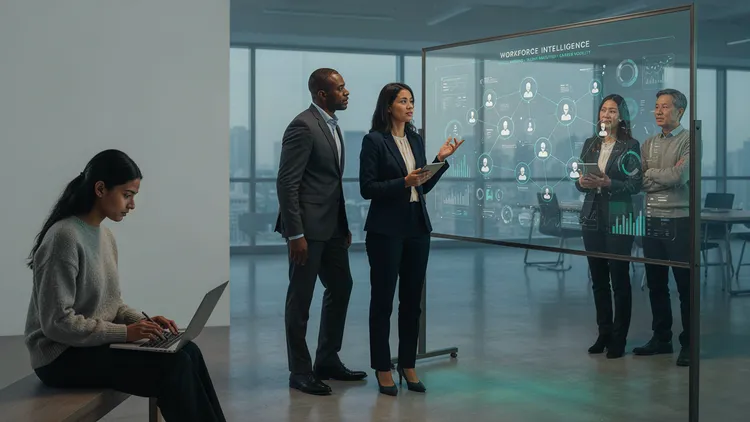
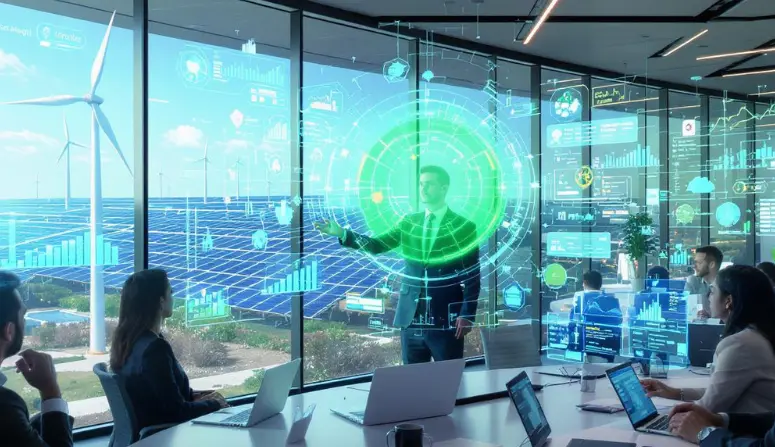
The modern workplace is changing rapidly, and sustainability is becoming one of the biggest forces behind that transformation. As companies invest more in clean energy, responsible operations, and environmental goals, human resources teams are redefining their purpose. Instead of focusing only on recruitment, HR professionals are now helping organizations build long term capabilities that support sustainable growth.
This shift is reshaping how businesses attract, train, and retain talent. Moreover, it reflects a deeper understanding that sustainability success depends on people with adaptable skills and future ready thinking. Across industries, HR leaders are stepping into strategic roles that connect workforce planning with environmental and social priorities.
At the same time, companies following the latest Technology insights and IT industry news are recognizing that sustainability goals require more than technical investments. They also require employees who can evolve alongside changing business expectations.
Why sustainability is changing workforce priorities
Sustainability sectors are expanding faster than many traditional industries. Renewable energy, green manufacturing, sustainable finance, and ethical supply chains are creating new job categories that did not exist a decade ago. Consequently, businesses are struggling to find workers with the right mix of technical expertise and strategic thinking.
This challenge has encouraged HR departments to move beyond conventional hiring practices. Rather than searching endlessly for perfect candidates, organizations are investing in internal learning and workforce development. As a result, HR teams are becoming capability builders that focus on preparing employees for future demands.
Furthermore, HR trends and insights show that younger professionals increasingly prefer employers that demonstrate environmental responsibility. Businesses with strong sustainability programs are therefore gaining an advantage in attracting ambitious talent. However, keeping that talent engaged requires continuous skill development and meaningful career progression.
Building skills instead of filling vacancies
One of the most noticeable changes in sustainability sectors is the emphasis on reskilling and upskilling. Companies are creating training programs that help employees adapt to evolving technologies, environmental regulations, and digital workflows. Consequently, HR departments are collaborating closely with leadership teams to identify future skill gaps before they become business problems.
For example, organizations involved in renewable energy are training workers in data analytics, automation systems, and compliance management. Similarly, sustainable finance firms are helping employees understand climate risk assessment and ethical investment strategies. These efforts are transforming HR into a central driver of business resilience.
In addition, Marketing trends analysis reveals that companies promoting employee growth opportunities often strengthen their employer brand. Professionals are more likely to remain loyal to organizations that invest in personal development rather than treating workers as temporary resources.
Technology and sustainability are deeply connected
Digital transformation is playing a major role in this workforce evolution. Artificial intelligence, cloud platforms, and automation tools are reshaping sustainability operations across multiple industries. Therefore, HR leaders are expected to understand how technology affects workforce capabilities and long term business strategy.
Companies following current IT industry news are increasingly using AI driven learning platforms to personalize employee training. These systems identify skill gaps and recommend courses that align with organizational goals. Consequently, employees can learn more efficiently while companies maintain a competitive workforce.
Moreover, Technology insights continue to highlight the growing importance of data literacy in sustainability sectors. Employees are now expected to interpret environmental metrics, track operational performance, and support reporting initiatives. HR professionals are responding by integrating analytical training into workforce development programs.
The growing link between HR and business strategy
HR teams are no longer operating separately from executive decision making. Instead, they are becoming active contributors to sustainability planning and organizational transformation. This change is especially visible in industries facing rapid economic and environmental shifts.
For instance, Finance industry updates often emphasize how investors now evaluate companies based on environmental and social performance. Businesses that fail to adapt may struggle to secure funding or maintain market trust. As a result, HR departments are helping organizations build cultures that support accountability, innovation, and ethical leadership.
Likewise, Sales strategies and research indicate that customers increasingly prefer brands that demonstrate responsible business practices. Employees play a major role in delivering those experiences, which makes workforce capability development even more valuable.
Consequently, HR professionals are focusing on communication skills, collaboration, and adaptability alongside technical expertise. These qualities help organizations remain agile in uncertain markets while supporting long term sustainability goals.
Leadership expectations are evolving
Business leaders now expect HR teams to deliver measurable impact beyond recruitment numbers. They want workforce strategies that improve productivity, encourage innovation, and strengthen employee engagement. Therefore, HR professionals in sustainability sectors are developing stronger analytical and strategic capabilities.
Many organizations are also creating cross functional learning programs where employees from finance, operations, technology, and marketing collaborate on sustainability projects. This approach not only improves business performance but also encourages knowledge sharing across departments.
Meanwhile, HR trends and insights suggest that companies with strong learning cultures often achieve better employee retention and stronger operational adaptability. Employees feel more confident when they see clear opportunities for growth within their organization.
Valuable insights for future ready HR teams
Organizations preparing for the future should focus on building adaptable workforces rather than relying only on external recruitment. Investing in continuous learning programs can improve retention, strengthen innovation, and reduce long term hiring costs. Furthermore, businesses should align workforce development with sustainability goals to create a stronger competitive position.
HR professionals can also benefit from combining Technology insights with leadership training to better understand evolving industry demands. At the same time, staying informed through IT industry news, Finance industry updates, Marketing trends analysis, and Sales strategies and research can help organizations respond more effectively to market changes.
Companies that prioritize capability building today are more likely to succeed in tomorrow’s sustainability driven economy. Employees who continuously learn and adapt will remain one of the most valuable assets in any industry.
InfoProWeekly delivers expert driven perspectives that help businesses stay informed in a rapidly evolving market.