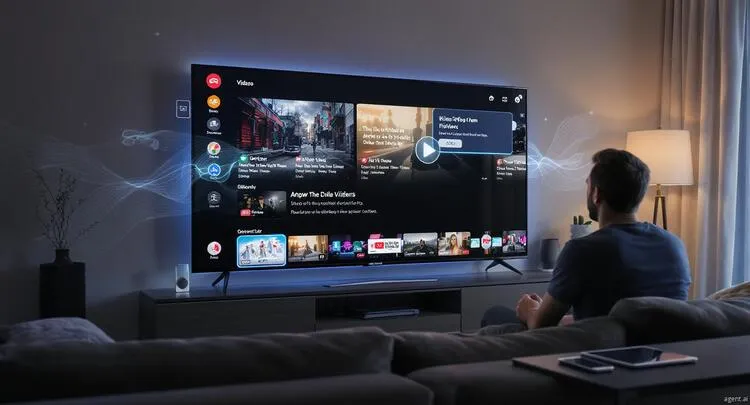
YouTube continues to expand its presence on television screens as more viewers shift from traditional broadcasting toward streaming platforms. The company is introducing improvements designed to make its television experience more useful, engaging, and easier to navigate.
Connected televisions have become an important part of modern entertainment habits. Viewers increasingly use smart TVs and streaming devices to watch creators, live events, educational content, podcasts, news, and long form videos. As a result, platforms such as YouTube are paying greater attention to how people interact with content from a larger screen.
The latest changes reflect this broader shift while giving viewers a more convenient way to discover and engage with videos from the comfort of their living rooms.
A More Convenient Viewing Experience
One of the biggest priorities for YouTube is making television viewing feel less restrictive. On a smartphone or computer, users can quickly search, comment, subscribe, share content, and move between different videos. Television interfaces have traditionally required more navigation through remote controls.
Consequently, improvements to the connected TV experience can make everyday interactions considerably smoother. Better discovery tools, improved navigation, and easier access to important content information can help viewers spend less time searching and more time watching.
This is particularly relevant as YouTube competes for attention with streaming services that have already optimized their interfaces for television audiences.
YouTube Responds to Changing Viewing Habits
Technology insights increasingly point toward a fragmented media environment where consumers move between smartphones, computers, tablets, and televisions throughout the day. YouTube is positioned uniquely within this environment because its content is available across virtually every major screen.
Moreover, television has become increasingly important for YouTube viewing. Long form videos, interviews, podcasts, documentaries, gaming content, and live broadcasts are particularly well suited to larger displays.
Therefore, improving the television experience is not simply about interface design. It represents a broader effort to make YouTube a central destination for entertainment and information across different viewing environments.
Better Discovery Could Benefit Creators
For creators, improvements to television viewing can create new opportunities to reach audiences. When viewers discover content more easily, creators can potentially benefit from longer viewing sessions and stronger audience engagement.
At the same time, the television environment changes how audiences consume creator content. A viewer watching a video on a large screen may be more likely to remain engaged with longer content compared with someone quickly scrolling through a mobile feed.
As a result, creators may increasingly consider television friendly formats when developing their content strategies. Strong storytelling, clear visuals, longer episodes, and engaging introductions could become even more important as television viewing continues to grow.
The Growing Importance of Connected TV
The rise of connected television reflects a larger transformation taking place across the technology and media industries. Smart televisions are no longer limited to traditional channels. They have become digital entertainment hubs that bring together streaming platforms, social content, live programming, gaming, and other online services.
Furthermore, audiences expect these services to work seamlessly across devices. Someone may discover a video on a phone and later watch it on a television. A consistent experience across these environments can therefore influence how users perceive a platform.
YouTube’s continued investment in television demonstrates how important this cross device behavior has become.
What This Means for Digital Businesses
The development also provides useful lessons for businesses beyond the entertainment industry. IT industry news frequently highlights the importance of designing digital products around changing consumer behavior rather than relying on older usage patterns.
Companies that understand where customers spend their time can make better decisions about product development and communication. The same principle applies to marketing trends analysis, where brands increasingly need to consider how audiences move between devices before deciding where and how to communicate with them.
In addition, organizations can use these behavioral changes to rethink their digital strategies. Content that performs well on a mobile screen may need a different presentation when consumed through a television or other large display.
Opportunities for Advertisers and Marketers
The growing role of television within digital platforms also creates opportunities for advertisers. YouTube already represents an important environment for video marketing, and continued improvements to the television experience could make the platform even more attractive to brands seeking highly engaged audiences.
Marketing teams can use these developments as an opportunity to review how their video campaigns are designed. High quality visuals, clear messaging, strong storytelling, and recognizable branding can become especially valuable when content is displayed on larger screens.
Similarly, sales strategies and research teams can examine how changing viewing habits affect customer attention and purchasing behavior. Understanding where audiences encounter a brand can help businesses create more relevant campaigns.
Why the Update Matters for the Future
YouTube’s connected TV improvements arrive at a time when the boundaries between traditional television and online video are becoming increasingly blurred. Consumers no longer necessarily distinguish between watching television and watching internet video. Instead, they simply choose the content they want and the screen that suits them.
This shift could influence the future development of streaming platforms. Better interfaces, smarter recommendations, easier content discovery, and stronger cross device functionality are likely to remain important areas of competition.
Meanwhile, businesses should continue monitoring technology insights alongside broader consumer behavior. Similar changes can influence HR trends and insights, finance industry updates, and other sectors as digital platforms increasingly shape how people work, communicate, shop, and consume information.
Practical Insights for Businesses and Creators
The latest development offers a straightforward lesson. Digital experiences should be designed around real user behavior rather than assumptions about where people will interact with content.
For creators, this means considering larger screens when producing video and ensuring that important visual elements remain clear. For marketers, it means understanding how campaigns perform across different devices and adapting creative strategies accordingly.
Businesses can also monitor audience engagement across platforms to identify where users spend the most meaningful time. Combining this information with marketing trends analysis can help organizations make more informed decisions about content investment and digital outreach.
The broader opportunity is to treat every screen as part of one connected customer journey. When brands understand that journey, they can create experiences that feel more natural and useful regardless of the device being used.
Stay Ahead With InfoProWeekly
Stay informed about the latest technology insights, IT industry news, and digital developments shaping modern businesses with InfoProWeekly. Reach out to InfoProWeekly for fresh industry perspectives and practical insights that can help your business stay prepared for what comes next.