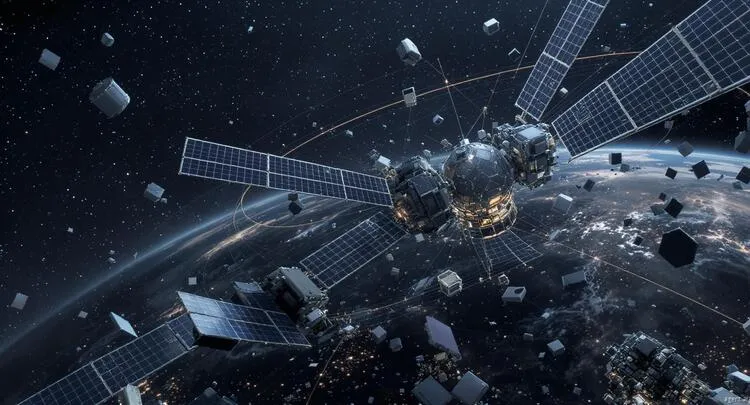
The idea of putting powerful computing infrastructure in space is moving from science fiction toward a serious technology discussion. SpaceX has filed plans with the Federal Communications Commission for a constellation of up to one million satellites that could operate as orbital data centers supporting artificial intelligence workloads. The proposed system would operate across several orbital ranges and use solar power to provide computing capacity.
At first glance, moving data centers away from Earth appears attractive. Terrestrial facilities require large amounts of electricity, land, cooling infrastructure, and water. However, shifting computing hardware into orbit introduces another environmental question that deserves attention. What happens to all that hardware when it reaches the end of its useful life?
Why Orbital Data Centers Could Change E Waste
Electronic waste already represents a major global environmental challenge. Computers, servers, batteries, circuit boards, solar equipment, and other electronic components eventually require replacement or disposal.
An orbital computing network could introduce a new version of the same problem. Instead of discarded electronics sitting in warehouses or recycling facilities, retired computing satellites could become part of a much larger space sustainability challenge.
The issue becomes particularly significant when the proposed scale is considered. A system involving potentially hundreds of thousands or even one million satellites would require enormous quantities of processors, memory, networking equipment, batteries, solar panels, and other components.
Satellite Lifetimes Make the Problem More Complicated
Electronic hardware does not last forever, and satellites face additional challenges because they operate in a harsh environment. Radiation, thermal cycling, mechanical stress, and component degradation can affect performance over time.
Recent analysis has suggested that individual orbital data center satellites could have operational lifetimes measured in several years before disposal or replacement. At a million satellite scale, even relatively long service lives could eventually produce a continuous cycle of manufacturing, launching, operating, replacing, and disposing of hardware.
Consequently, the environmental footprint cannot be evaluated only by looking at the energy used while the satellites are operating. Manufacturing and end of life management also need to be considered.
The Difference Between Earth E Waste and Space Debris
There is an important distinction between conventional electronic waste and orbital debris. On Earth, electronic products can potentially be collected, dismantled, recycled, and processed through established waste management systems.
In orbit, those options are considerably more complicated. A satellite cannot simply be taken to a conventional recycling center. Instead, operators must plan how hardware will be removed from useful orbits, relocated, or allowed to reenter the atmosphere.
The US Government Accountability Office has identified increasing satellite numbers, collision risks, and end of life management among the important challenges facing space based data centers.
Reentry Could Create Another Environmental Question
Disposal through atmospheric reentry may solve one orbital problem while creating another area for scientific investigation. When satellites burn up, their materials do not simply disappear. Components can interact with the atmosphere during reentry.
Recent research and reporting have raised questions about the atmospheric effects of increasingly large numbers of satellite reentries, including the release of materials such as aluminum, lithium, and copper. Scientists are still studying the long term consequences, which makes the subject particularly important as satellite constellations expand.
Therefore, the sustainability of orbital computing needs to be assessed across the entire hardware lifecycle rather than only during active operation.
SpaceX Faces a Sustainability Balancing Act
SpaceX has argued that its proposed system could reduce some environmental pressures associated with terrestrial computing by using abundant solar energy and reducing dependence on land based infrastructure. The company has also discussed collision avoidance, debris mitigation, and end of life disposal measures in its regulatory responses.
Nevertheless, environmental benefits in one area do not automatically eliminate environmental costs elsewhere. Moving computing infrastructure into orbit could reduce certain demands on Earth while increasing manufacturing, launch, orbital traffic, and disposal requirements.
This creates a more complicated sustainability equation.
Cooling and Infrastructure Add More Challenges
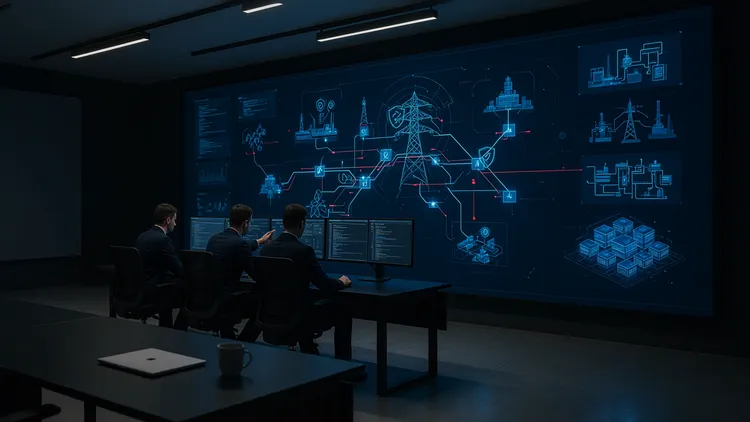
Energy is only one part of the data center equation. Powerful computing hardware produces significant heat, and managing that heat in space is not straightforward. Unlike terrestrial facilities, orbital systems cannot rely on ordinary air based cooling.
The Government Accountability Office has identified heat management as a major engineering challenge because heat must ultimately be radiated away rather than dispersed through conventional cooling systems.
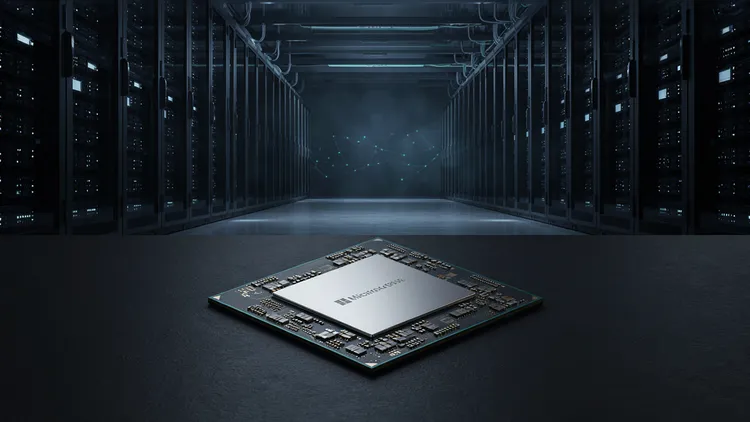
Furthermore, communications infrastructure, solar arrays, processors, storage systems, and power systems all add complexity. As a result, the environmental cost of each satellite needs to be evaluated as part of the entire computing architecture.
Why This Matters for the Technology Industry
The discussion surrounding orbital computing reflects a larger trend across the technology sector. AI is creating enormous demand for computing capacity, while companies are searching for alternatives to traditional data center infrastructure.
For readers following Technology insights and IT industry news, this development represents more than a SpaceX story. It highlights how the rapid expansion of AI could push computing infrastructure into environments that were previously considered impractical.
At the same time, Finance industry updates can help explain why companies are willing to invest heavily in unconventional infrastructure while Marketing trends analysis can reveal how businesses may eventually position space based computing as part of their technology strategy.
The Role of Responsible Technology Planning
The growth of orbital computing should encourage companies and regulators to think about sustainability before large scale deployment begins. Hardware should ideally be designed with longer lifetimes, replaceable components, efficient materials, and clearly defined disposal pathways.
Moreover, international standards could become increasingly important. Space is a shared environment, meaning one company’s hardware decisions can affect other satellite operators, scientific missions, and future generations of space infrastructure.
The same principle applies to workforce planning. HR trends and insights increasingly emphasize specialized technical skills, and orbital computing could create demand for professionals who understand aerospace engineering, semiconductor systems, AI infrastructure, environmental science, and space policy.
Insights for the Future
The most important lesson is that moving data centers into space does not make the environmental question disappear. Instead, it changes the question.
Before orbital computing becomes a massive commercial industry, companies should measure the full lifecycle of satellite hardware from manufacturing and launch through operation and final disposal. Researchers should also continue studying atmospheric effects, orbital congestion, recycling possibilities, and long term debris risks.
For businesses, investors, and technology professionals, the emerging space computing market deserves attention because its opportunities and environmental challenges are developing simultaneously.
For more Technology insights, IT industry news, and research driven perspectives on emerging technologies, connect with InfoProWeekly to stay informed about developments shaping the digital economy.
Reach out to InfoProWeekly for professional insights into the technologies, business trends, and innovations defining the future.
Stay connected with InfoProWeekly to discover informed perspectives that can help you understand what comes next.