WordPress powers millions of websites, making it one of the most widely used content management systems in the world. Because of its popularity, plugins play a significant role in extending functionality for ecommerce stores, membership platforms, and business websites. However, every additional integration also introduces potential security risks if vulnerabilities remain unpatched.
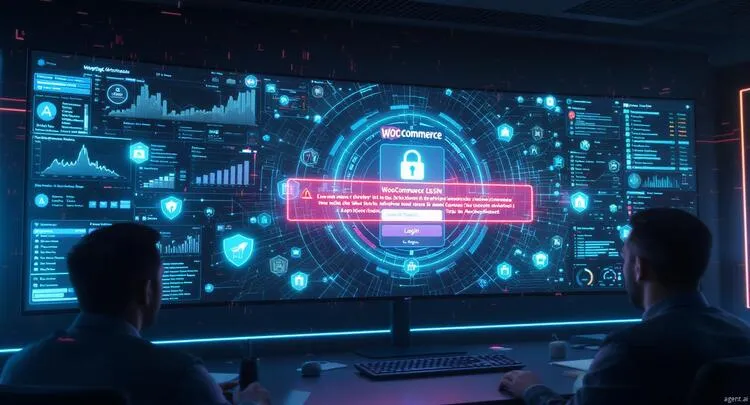
Recent security findings involving the WooCommerce Social Login WordPress plugin have once again highlighted the importance of maintaining a proactive cybersecurity strategy. According to researchers, the identified flaw could allow attackers to gain elevated access under specific conditions, raising concerns for website owners who rely on third party authentication features.
Understanding the Reported Vulnerability
The reported issue centers on weaknesses that may allow unauthorized account access when authentication processes are not sufficiently validated. Social login plugins simplify registration by allowing users to sign in with existing accounts from trusted identity providers. Nevertheless, secure verification mechanisms must always confirm that every login request originates from a legitimate source.
If authentication controls fail to properly validate identity information, attackers may exploit those weaknesses to obtain administrative privileges. Consequently, this could expose sensitive website data, customer information, and business operations to unauthorized access.
Although security researchers responsibly disclose these findings to encourage remediation, the incident serves as another reminder that plugin security should never be overlooked.
Why Ecommerce Websites Face Greater Risks
Online stores manage valuable customer information, payment related records, inventory systems, and business transactions. Therefore, any vulnerability affecting authentication or administrative access deserves immediate attention.
Unauthorized administrative control can potentially allow attackers to modify website settings, install malicious software, redirect visitors, or disrupt normal operations. Furthermore, compromised ecommerce websites often experience financial losses, damaged customer trust, and operational downtime.
For growing businesses, protecting digital storefronts has become just as important as securing physical assets. As cyber threats continue evolving, website security must remain a continuous business priority rather than a one time project.
Keeping Plugins Secure Requires Ongoing Attention
Plugin developers regularly release updates that improve functionality while addressing newly discovered security issues. Accordingly, website administrators should install verified updates as soon as they become available.
Likewise, removing unused plugins significantly reduces the overall attack surface. Even inactive extensions may introduce unnecessary security risks if they remain installed without proper maintenance.
Moreover, selecting plugins from reputable developers with active maintenance records improves long term website security. Organizations should also monitor security advisories to remain informed about newly identified vulnerabilities affecting their technology stack.
Strong Security Extends Beyond Plugin Updates
While timely patching remains essential, comprehensive website protection requires multiple layers of defense. Secure passwords, multifactor authentication, access control policies, regular backups, web application firewalls, and continuous monitoring all contribute to stronger cybersecurity.
Additionally, organizations should routinely review administrator accounts, permission settings, and authentication logs to detect unusual activity before it escalates into a larger security incident.
Regular security assessments also help identify configuration weaknesses that automated tools may overlook. Consequently, proactive monitoring often prevents minor issues from becoming significant business disruptions.
Cybersecurity Is Becoming a Business Priority
Website security is no longer limited to technology teams alone. Executive leadership, compliance professionals, marketing departments, and customer support teams all share responsibility for protecting digital business operations.
For readers interested in Technology insights, this incident demonstrates how software vulnerabilities continue influencing enterprise cybersecurity strategies. Similarly, the latest IT industry news reflects the growing importance of secure software development and responsible vulnerability disclosure.
Workforce preparedness also remains essential. Consequently, HR trends and insights increasingly emphasize cybersecurity awareness training that helps employees recognize potential threats before they impact business operations.
Meanwhile, Finance industry updates continue highlighting the financial consequences of cyber incidents, including recovery costs, regulatory obligations, and reputational damage. Organizations refining Sales strategies and research also understand that customer confidence depends heavily on secure digital experiences.
Likewise, ongoing Marketing trends analysis reveals that strong cybersecurity practices contribute directly to brand credibility, customer loyalty, and long term business growth.
Building Resilient WordPress Environments
The growing popularity of WordPress ensures it will remain an attractive target for cybercriminals. Therefore, businesses should focus on creating resilient environments capable of detecting, preventing, and responding to emerging threats.
Combining timely updates with secure hosting, routine vulnerability assessments, encrypted communications, reliable backup strategies, and continuous monitoring significantly improves overall protection. Furthermore, adopting a proactive security mindset helps organizations respond quickly when new risks emerge.
Rather than reacting after an incident occurs, businesses that continuously strengthen their security posture are better positioned to maintain customer trust and uninterrupted operations.
Practical Insights for Website Owners
Every security advisory presents an opportunity to improve long term resilience. Website owners should regularly audit installed plugins, verify software updates, review administrator permissions, and implement layered authentication measures that reduce unnecessary risk.
Equally important, organizations should establish ongoing security monitoring, educate employees about evolving cyber threats, and develop clear incident response plans. Businesses that prioritize prevention alongside continuous improvement will be better prepared to protect their digital assets in an increasingly connected world.
Connect with InfoProWeekly for trusted reporting on cybersecurity, enterprise technology, and digital innovation shaping the future of business.
Stay informed with expert insights that help your organization strengthen security, reduce risk, and confidently navigate the evolving technology landscape.