
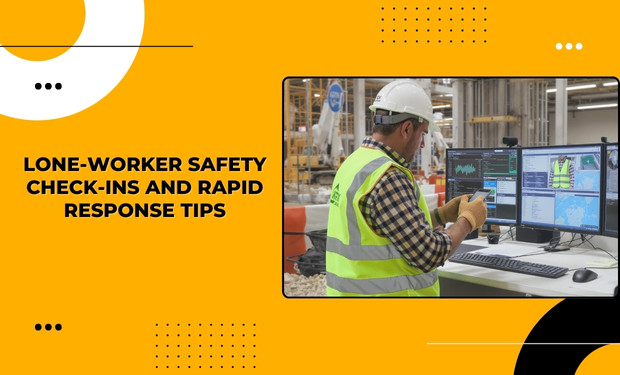
Lone-worker safety is an essential consideration for organizations with employees who operate alone or in isolated environments. Ensuring the well-being of these workers requires practical strategies, technological tools, and well-defined protocols. Check-ins and rapid response procedures form the backbone of effective lone-worker safety programs, providing both reassurance for employees and accountability for employers.
Workers such as field technicians, delivery personnel, healthcare professionals, and remote site operatives often face unique risks due to the absence of immediate colleagues. These risks include accidents, health emergencies, violence, and environmental hazards. Implementing structured measures for lone-worker safety not only reduces incidents but also strengthens employee confidence and operational efficiency.
Importance of Check-Ins in Lone-Worker Safety
Regular check-ins are a fundamental component of lone-worker safety. They create a systematic approach to monitor the well-being of employees, detect potential threats early, and ensure timely intervention if needed. Check-ins can be scheduled at fixed intervals or triggered by specific activities, depending on the nature of the work and the associated risks.
For example, a delivery driver may be required to check in via a mobile app after completing each delivery, while a remote maintenance worker might have hourly or task-based check-ins. These practices provide both employers and employees with a clear communication framework, reducing response times during emergencies.
Methods of Implementing Check-Ins
Organizations can adopt multiple approaches to implement check-ins for lone-worker safety
Manual Check-Ins: Employees call or text their supervisor at regular intervals. This method is simple but can be prone to human error.
Automated Alerts: Mobile apps or wearable devices can automatically send check-in notifications, minimize lapses and enhance accuracy.
Geo-Fencing and GPS Tracking: Location-based monitoring ensures employees are safe within designated work areas, triggering alerts if they leave a safe zone.
Combining manual and automated approaches provides redundancy and ensures higher reliability in lone-worker safety programs.
Rapid Response Procedures
Even with check-ins, emergencies can occur unexpectedly. Rapid response protocols are critical for mitigating risks and ensuring that employees receive timely assistance. Effective rapid response measures include
Emergency Contact Lists: Maintain updated contacts for supervisors, medical services, and emergency response teams.
Central Monitoring Systems: Dedicated monitoring personnel can track check-ins and respond immediately to alerts.
On-Demand Assistance: Employees should have access to panic buttons, mobile apps, or wearable devices that can signal distress instantly.
These systems protect employees and enable organizations to fulfill legal and ethical responsibilities related to workplace safety.
Technology Enhancing Lone-Worker Safety
Modern technology plays a significant role in improving lone-worker safety. Advanced solutions include mobile applications, wearables, and cloud-based monitoring platforms. These tools offer features such as real-time location tracking, automatic check-ins, hazard alerts, and rapid response activation.
Wearable devices can detect falls, unusual inactivity, or exposure to hazardous conditions, automatically notifying monitoring teams. Mobile apps can integrate GPS tracking, geofencing, and check-in schedules, making lone-worker safety both practical and efficient. By leveraging technology, organizations can minimize risk and maintain continuous oversight without imposing excessive administrative burdens.
Legal and Regulatory Considerations
Organizations must also be aware of regulatory requirements regarding lone-worker safety. Many jurisdictions mandate that employers take reasonable steps to protect employees working alone. Non-compliance can lead to legal consequences, fines, or reputational damage.
Proper documentation, regular training, and adherence to safety protocols strengthen compliance and demonstrate a commitment to employee welfare. Policies should outline expectations for check-ins, rapid response, and reporting procedures to ensure clarity and accountability.
Best Practices for Effective Lone-Worker Safety
Adopting a proactive approach can significantly enhance lone-worker safety
Risk Assessment: Evaluate potential hazards specific to the work environment and tasks.
Scheduled Check-Ins: Define the frequency and method of check-ins based on risk levels.
Emergency Planning: Develop detailed response protocols for common and worst-case scenarios.
Training and Awareness: Ensure employees understand procedures, technology use, and reporting requirements.
Technology Integration: Use apps, wearables, and monitoring systems to automate alerts and reduce delays.
Continuous Evaluation: Regularly review and update safety measures to reflect operational changes or emerging risks.
These strategies help organizations maintain a culture of safety while empowering employees to perform confidently in isolated conditions.
Employee Empowerment and Communication
Effective lone-worker safety programs rely heavily on clear communication and employee engagement. Workers should feel comfortable reporting risks, suggest improvements, and participate in safety drills. When employees trust that their safety is a priority, they are more likely to follow protocols, use technology effectively, and maintain situational awareness.
Open communication also facilitates rapid identification of hazards. Supervisors can adjust procedures, check-in schedules, or equipment requirements based on employee feedback. This dynamic approach strengthens both safety and operational efficiency.
Monitoring and Incident Reporting
Accurate monitoring and reporting are key for continuous improvement in lone-worker safety. Employers should track check-in compliance, incident response times, and near-misses. This data helps identify patterns, assess risk levels, and make informed decisions about staffing, equipment, and emergency planning.
Incident reporting should be streamlined and accessible, allowing employees to provide details quickly and accurately. Centralized reporting systems help monitoring teams analyze trends, evaluate responses, and adjust protocols as needed.
Cultural Considerations in Lone-Worker Safety
Promoting a safety-oriented culture is essential for successful lone-worker safety programs. Employees should feel that safety protocols are supportive rather than punitive. Encouraging accountability, providing resources, and recognizing proactive safety behaviors reinforces the importance of check-ins and rapid response procedures.
A strong culture of safety ensures employees remain vigilant and engaged, minimizing risks and fostering a secure work environment even when working alone.
Adapting Programs for Remote and Mobile Workers
Lone-worker safety is particularly critical for employees who operate remotely or in mobile roles. Organizations should adapt programs to the specific challenges these employees face, including variable environments, unpredictable hazards, and limited access to immediate support.
Check-ins and rapid response mechanisms should be flexible and reliable, ensuring coverage across various locations and conditions. Cloud-based monitoring, GPS-enabled devices, and mobile alerts can support a distributed workforce while maintaining compliance with safety standards.
Continuous Improvement
Lone-worker safety programs should never remain static. Regular reviews, technological updates, and feedback collection help organizations refine their processes. By analyzing check-in data, response times, and incident reports, companies can anticipate risks and proactively implement solutions.
Investing in continuous improvement ensures that safety measures remain effective and adaptable, providing lasting protection for lone workers.
To stay updated on workplace safety trends, check-in strategies, and rapid response best practices, explore expert insights at Infoproweekly.