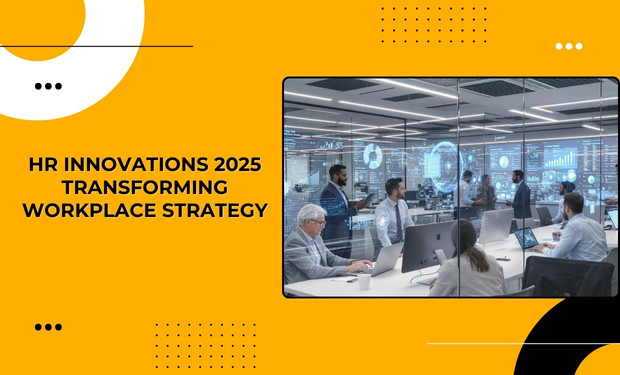
The workplace is undergoing a rapid transformation, driven by technology, evolving employee expectations, and shifting business models. Human Resources (HR) is at the heart of this evolution, tasked with designing strategies that not only attract top talent but also foster engagement, productivity, and growth. In 2025, HR innovations are redefining how organizations approach workforce management, making it essential for HR leaders to stay ahead of emerging trends and technologies.
1. AI-Powered Recruitment and Talent Management
Artificial intelligence (AI) continues to revolutionize HR processes, particularly in recruitment and talent management. In 2025, AI-driven tools are enabling HR teams to streamline hiring by automating candidate sourcing, resume screening, and initial interviews.
AI systems can analyze candidate data to match skills, experience, and cultural fit with organizational requirements, reducing bias and improving hiring efficiency. Beyond recruitment, AI supports talent management by predicting employee performance, identifying skill gaps, and recommending personalized learning paths. HR professionals leveraging AI can make data-driven decisions, optimize workforce planning, and enhance overall talent strategy.
2. Personalized Employee Experience
Employee experience is becoming a central focus of HR strategy. In 2025, organizations are prioritizing personalized experiences to increase engagement and retention. HR innovations now enable tailored learning programs, flexible work arrangements, and career development plans based on individual employee preferences and performance.
By using advanced analytics and employee feedback tools, HR leaders can better understand workforce needs and craft solutions that enhance satisfaction. Personalized experiences also extend to wellness programs, recognition initiatives, and communication strategies, ensuring employees feel valued and supported throughout their journey.
3. Hybrid and Remote Work Optimization
The hybrid and remote work models that surged in popularity during the early 2020s are evolving into permanent workplace strategies. HR innovations in 2025 focus on optimizing distributed teams while maintaining culture, collaboration, and productivity.
Advanced HR platforms enable seamless communication, virtual collaboration, and performance tracking for remote employees. Tools such as digital onboarding, AI-driven task management, and virtual team-building initiatives help HR professionals manage geographically dispersed workforces effectively. Ensuring consistent engagement and performance across hybrid teams is a key challenge that innovative HR strategies are addressing.
4. Data-Driven Workforce Analytics
HR analytics has become a cornerstone of strategic workforce management. In 2025, organizations are increasingly relying on sophisticated data analytics to inform decisions on talent acquisition, performance, and retention.
Modern HR systems collect and analyze metrics such as employee engagement, productivity, turnover, and skills development. Predictive analytics allows HR leaders to anticipate workforce trends, identify high-risk employees, and plan for future talent needs. By integrating data-driven insights into HR strategy, organizations can make informed decisions that improve operational efficiency and employee satisfaction.
5. Focus on Diversity, Equity, and Inclusion (DEI)
DEI remains a critical area of HR innovation in 2025. Progressive organizations recognize that diverse and inclusive workplaces drive creativity, innovation, and business performance. HR teams are implementing advanced DEI programs, including bias-free recruitment algorithms, mentorship initiatives, and inclusion-focused training.
By tracking DEI metrics through analytics platforms, HR professionals can measure progress, identify gaps, and adjust strategies accordingly. Fostering an environment where every employee feels valued is no longer optional it is central to long-term organizational success.
6. Employee Wellbeing and Mental Health Initiatives
The focus on employee wellbeing and mental health continues to intensify in 2025. HR innovations now include comprehensive programs addressing physical, mental, and emotional health. Organizations are integrating wellbeing apps, virtual counseling, and mindfulness programs to support employees in balancing work and life demands.
HR leaders use feedback mechanisms and engagement surveys to monitor wellness trends and tailor interventions. A workforce that feels supported is more productive, engaged, and loyal, making employee wellbeing an essential component of future-ready HR strategy.
7. Learning and Upskilling through Technology
Continuous learning and upskilling are critical for maintaining a competitive workforce in a rapidly evolving business environment. HR innovations in 2025 emphasize technology-enabled learning, including AI-driven e-learning platforms, virtual reality (VR) training, and personalized development pathways.
By leveraging these tools, HR teams can identify skill gaps, recommend training programs, and track progress in real time. Upskilling employees not only enhances organizational capability but also strengthens retention, as employees feel empowered to grow within the company.
8. Automation of Administrative HR Tasks
Automation continues to reshape HR operations by reducing time spent on repetitive administrative tasks. Payroll processing, attendance tracking, benefits management, and compliance reporting are increasingly automated, allowing HR professionals to focus on strategic initiatives.
Robotic Process Automation (RPA) and AI-driven HR software streamline workflows, minimize errors, and improve efficiency. By freeing HR teams from routine tasks, organizations can redirect efforts toward innovation, employee engagement, and organizational development.
9. Predictive Talent Planning
Forward-looking organizations are adopting predictive talent planning to anticipate workforce needs and align HR strategy with business goals. In 2025, predictive modeling tools enable HR teams to forecast hiring demands, succession requirements, and skill shortages.
This proactive approach helps organizations maintain agility in a competitive market, ensuring that critical roles are filled, and talent pipelines remain robust. Predictive HR planning also reduces turnover risk by identifying employees likely to leave and implementing retention strategies in advance.
10. Ethical Use of HR Technology and Data
With the increasing reliance on technology and data in HR, ethical considerations are becoming more important than ever. Organizations are implementing policies to ensure employee data privacy, responsible AI usage, and transparent decision-making.
HR leaders must balance the benefits of digital innovation with ethical practices, maintaining trust and compliance. Ethical HR practices not only protect organizations legally but also enhance employee confidence in management, creating a culture of integrity and respect.
11. Gamification and Engagement Tools
Gamification is emerging as a popular HR innovation to drive engagement and performance. By integrating game-like elements into training, performance tracking, and employee recognition, HR teams can make workplace activities more interactive and motivating.
Gamified platforms allow employees to earn rewards, track progress, and engage in friendly competition, fostering a more dynamic and connected workplace. This approach also supports skill development and boosts overall productivity.
12. Real-Time Feedback and Performance Management
Traditional annual performance reviews are being replaced by real-time feedback and continuous performance management systems. HR innovations in 2025 focus on providing employees with immediate, actionable feedback using AI-driven performance platforms.
Continuous performance monitoring helps HR leaders address challenges promptly, reinforce positive behaviors, and align individual goals with organizational objectives. Real-time feedback systems contribute to higher engagement, improved productivity, and stronger employee-manager relationships.
HR innovations in 2025 are reshaping workplace strategy, enabling organizations to attract, retain, and engage talent effectively. By leveraging AI, analytics, and modern employee experience tools, HR leaders can drive organizational growth while fostering a culture of innovation and wellbeing.
Explore more insights on HR innovations and future-ready workplace strategies at Infoproweekly