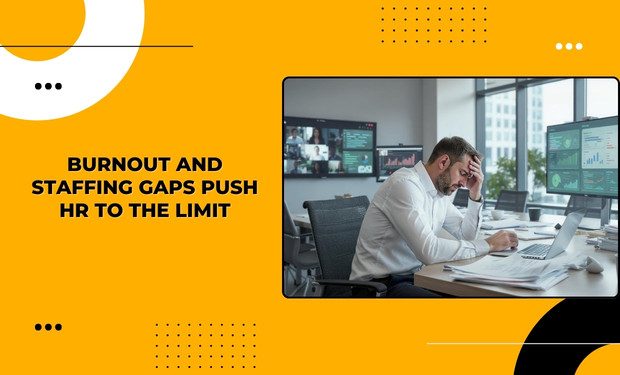
In today’s constantly evolving workplace, HR professionals are facing unprecedented challenges. As organizations adapt to economic shifts, hybrid work models, and rising employee expectations, one issue has surfaced repeatedly: burnout and Staffing Gaps. These interconnected concerns are pushing HR teams to the brink, demanding innovative approaches to workforce planning, wellbeing programs, and operational resilience.
Burnout among employees is not a new phenomenon, but its scale and severity in the modern workplace are alarming. Simultaneously, Staffing Gaps, the difference between the workforce needed and the workforce available, continue to widen. The result? HR departments are under intense pressure to maintain productivity, ensure employee wellbeing, and design staffing strategies that deliver sustainable growth.
Understanding how burnout and Staffing Gaps intersect is critical in addressing the root causes of workforce strain. For HR leaders, recognizing the patterns and implementing targeted solutions can mean the difference between an overworked team and a revitalized, engaged workforce.
The Rising Tide of Burnout
Employee burnout has escalated across industries. Long before the global shift to remote work, burnout was an emerging issue. Today, it has become a priority concern for HR teams everywhere. Burnout manifests as chronic stress, emotional exhaustion, and reduced professional efficacy. Left unchecked, it slows output, increases turnover, and hurts morale.
One contributing factor to burnout is the experience of Staffing Gaps. When teams are understaffed, existing employees are expected to fill the void. The workload increases, deadlines tighten, and the pressure mounts. HR professionals see firsthand how Staffing Gaps can erode the physical and mental wellbeing of employees. Unfortunately, the impact often goes beyond what policies alone can resolve.
Burnout is more than tiredness, and HR must distinguish between general fatigue and systemic exhaustion. Recognizing burnout early requires listening to employees, tracking workload data, and identifying patterns tied to Staffing Gaps.
How Staffing Gaps Aggravate Workplace Stress
Staffing Gaps do not just affect how work gets done they shape the emotional climate of an organization. When teams are understaffed, employees may feel unsupported, overwhelmed, and undervalued. This emotional strain directly contributes to burnout.
HR professionals often attribute burnout to individual performance issues, but the deeper cause is frequently structural. For example, a marketing team missing two key roles will struggle to hit campaign deadlines. Existing team members absorb the tasks, leaving them fatigued, stressed, and at risk of burnout. This scenario illustrates how Staffing Gaps can quickly escalate into organizational risk.
Additionally, Staffing Gaps make it harder for HR to build cohesive talent pipelines. Recruiters find themselves in a reactive mode, trying to fill open positions quickly rather than thoughtfully. The result is rushed hires, mismatched roles, and short-term fixes that fail to resolve the underlying staffing imbalance.
The Human Cost of Ignoring Staffing Gaps
The toll of prolonged burnout and persistent Staffing Gaps extends beyond productivity metrics. It affects human lives.
Employees who face constant pressure without adequate support are more likely to disengage. Burnout influences personal relationships, mental health, and physical wellness. The stress response becomes chronic, affecting sleep patterns, cognitive capacity, and emotional resilience. For HR, this manifests through increases in sick leaves, employee complaints, and diminished talent retention.
Staffing Gaps also raise equity concerns. When understaffed, top performers are often leaned on the most. This can cause frustration and feelings of unfairness among employees who are repeatedly asked to do more with less. Meanwhile, others may feel left out of critical responsibilities that drive career growth.
HR teams are uniquely positioned to understand employee sentiment but often lack the tools or resources to intervene proactively. Addressing burnout linked to Staffing Gaps is not simply about offering time off or wellness programs it requires a strategic, data-driven approach.
Data Tells the Story
HR teams equipped with analytics can more accurately pinpoint the relationship between burnout and Staffing Gaps. Tracking absenteeism, overtime hours, employee surveys, performance metrics, and turnover trends help reveal patterns that inform targeted solutions.
For example, HR leaders can examine whether departments with chronic overtime also show higher burnout indicators. If this correlates with prolonged Staffing Gaps, the path forward becomes clearer: remedy the workforce shortfall and reduce workload strain.
Analytics also allows HR to forecast future demand for talent. Using predictive modeling, HR can assess hiring needs before gaps widen. This moves HR from reactive problem-solving to strategic workforce planning. The earlier HR can act on trends related to Staffing Gaps, the better the organization can mitigate burnout.
Rethinking Hiring and Retention Strategies
Eliminating Staffing Gaps is more complex than posting job ads. HR must rethink both hiring and retention strategies.
To begin with, HR can evaluate internal mobility programs. Filling roles from within not only addresses staffing shortfalls but also enhances employee engagement. Promoting internal candidates builds loyalty and reduces the risk of losing top performers to burnout.
Talent acquisition strategies should also adapt. Instead of focusing solely on volume recruiting, HR can prioritize quality hires that align with company culture and long-term needs. This requires HR to clearly define job roles, expectations, and career paths. Clarity reduces the likelihood of mis-hires and helps avoid future Staffing Gaps.
Competitive compensation, flexible work arrangements, and meaningful professional development opportunities are essential in retaining talent. Investing in employee growth not only makes roles more attractive but also signals that the organization values its workforce, a key factor in reducing burnout linked to Staffing Gaps.
Building a Supportive Work Culture
Culture plays a powerful role in how burnout and Staffing Gaps are perceived and managed. A supportive work environment where employees feel heard and valued can soften the blow of staffing shortages.
HR can foster a culture of open communication by encouraging regular check-ins between employees and managers. These conversations should go beyond task updates and include discussions about workload, stress levels, and career aspirations. In doing so, HR can gather insights that reveal how Staffing Gaps affect individual and team morale.
Another cultural strategy is recognition. Acknowledging contributions, especially from teams operating under pressure due to Staffing Gaps, boosts morale and helps employees feel valued. Recognition can be formal or informal, but it must be consistent and sincere.
Wellness programs that address mental health, stress management, and work-life balance also contribute to a resilient workforce. While such programs do not eliminate Staffing Gaps, they provide employees with tools to manage stress and foster healthier coping mechanisms.
The Role of Leadership in Supporting HR
HR cannot bridge burnout and Staffing Gaps alone. Leadership involvement is crucial. When executives understand the implications of staffing shortfalls, they are better equipped to support HR initiatives.
Leaders should be aware that ignoring Staffing Gaps can lead to costly turnover, lost productivity, and diminished innovation. By aligning HR strategy with organizational goals, leaders can help secure the resources needed to fill roles, improve work conditions, and create sustainable workload practices.
Cross-department collaboration is also key. When HR works closely with operations, finance, and department heads, workforce planning becomes a shared responsibility. This integrated approach prevents HR from being isolated in trying to resolve systemic issues related to Staffing Gaps.
Innovation as a Countermeasure
HR teams are increasingly turning to technology and automation to combat the stress caused by burnout and Staffing Gaps. Tools like AI-powered scheduling, automated onboarding, and employee self-service HR portals reduce administrative burden and free up time for strategic work.
Learning and development platforms help HR upskill the existing workforce to fill skill shortages. This approach can shorten the time needed to close Staffing Gaps while simultaneously investing in employee career growth.
Virtual collaboration tools, flexible work policies, and digital wellness resources support remote and hybrid employees, making it easier for HR to address the challenges that exacerbate burnout.
When Burnout Signals a Larger Problem
Burnout triggered by Staffing Gaps is not an isolated issue; it often reflects deeper problems within organizational design, resource allocation, and strategic planning. HR must treat burnout not as an individual employee issue but as a systemic signal requiring thoughtful intervention.
Responding to burnout with short-term fixes may provide immediate relief, but only long-term staffing strategies can prevent its recurrence. When HR measures the impact of Staffing Gaps on performance and well-being, the organization can develop sustainable workforce solutions.
Where HR Goes Next
HR’s role is evolving from administrative support to strategic workforce leadership. With burnout and Staffing Gaps at the forefront of HR challenges, it is clear that proactive staffing strategies and employee wellbeing initiatives are essential.
HR professionals who combine empathy with data, innovation with strategy, and prevention with planning will redefine how organizations address talent shortages and workplace stress. The journey ahead may be demanding, but the insights gained from tackling burnout and Staffing Gaps will strengthen HR’s influence and the resilience of the workforce.
Discover more on workforce trends, HR strategies, and organizational growth
Visit Infoproweekly for expert insights designed to help businesses and HR leaders navigate tomorrow’s challenges.