
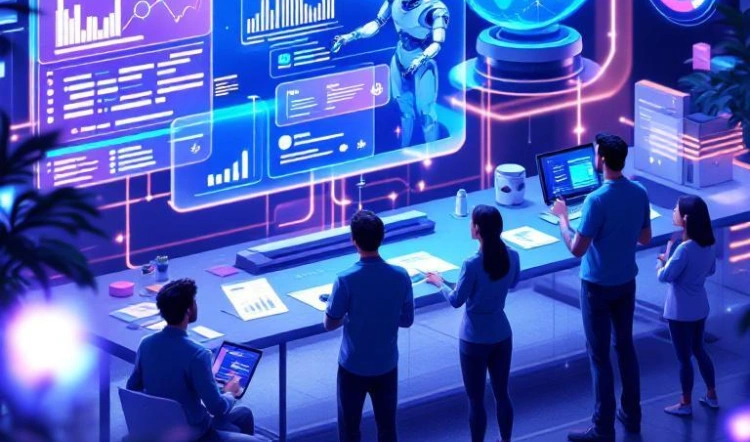
The software world is moving faster than ever, and naturally, testing practices are feeling the pressure. AI is changing software testing in ways that were once considered futuristic, and now teams are expected to adapt almost in real time. As applications grow more complex and release cycles shrink, traditional testing methods struggle to keep pace. Consequently, organizations are rethinking how quality assurance fits into modern development.
At the same time, AI is no longer just an experimental add on. It is becoming a core part of development pipelines, influencing everything from code generation to defect prediction. Therefore, software testing must evolve alongside it to remain relevant and effective.
The shift from manual effort to intelligent automation
For years, automation has been a key part of testing strategies. However, AI introduces a deeper layer of intelligence that goes beyond scripted automation. Instead of simply executing predefined steps, AI powered systems can learn from patterns, adapt to changes, and even predict potential failures.
As a result, testers are no longer limited to repetitive execution tasks. They are increasingly focusing on strategy, validation, and improving user experience. In addition, AI driven tools can analyze massive datasets quickly, which helps identify hidden defects that traditional methods might miss. This shift is not just technical but also cultural, aligning with broader Technology insights and IT industry news that highlight automation as a competitive necessity.
Faster releases demand smarter testing approaches
Modern development practices emphasize speed, particularly with continuous integration and continuous delivery. Because of this, testing must keep up without compromising quality. AI is changing software testing by enabling real time feedback and faster decision making.
For instance, intelligent test prioritization ensures that the most critical scenarios are tested first. Meanwhile, predictive analytics helps teams focus on high risk areas. Consequently, organizations can release updates more confidently while maintaining stability. This trend reflects ongoing Marketing trends analysis where speed and customer satisfaction directly impact brand perception.
Enhancing accuracy while reducing human error
Human testers bring creativity and intuition, yet they are also prone to fatigue and oversight. AI complements human capabilities by providing consistent and data driven insights. Therefore, errors caused by repetitive tasks or oversight can be significantly reduced.
Moreover, AI tools can continuously monitor applications and detect anomalies as they occur. This proactive approach shifts testing from reactive problem solving to preventive quality assurance. In parallel, similar patterns can be seen in Finance industry updates where predictive systems help minimize risk and improve reliability.
Redefining the role of software testers
As AI takes over routine tasks, the role of testers is evolving. Rather than focusing solely on execution, testers are becoming quality strategists and domain experts. They are expected to understand business logic, user behavior, and system architecture more deeply.
In addition, collaboration across teams is becoming more important. Testers now work closely with developers, product managers, and even business stakeholders. This shift aligns with HR trends and insights that emphasize upskilling and cross functional expertise as essential for future roles.
Challenges that come with AI adoption
Despite its advantages, AI integration is not without challenges. Organizations often face issues related to data quality, model accuracy, and implementation costs. Furthermore, there is a learning curve associated with adopting new tools and workflows.
However, these challenges should not discourage adoption. Instead, they highlight the need for a structured approach to implementation. Gradually integrating AI into existing processes allows teams to build confidence and measure impact effectively. Similarly, Sales strategies and research show that gradual transformation often leads to better long term outcomes.
Building trust in AI driven testing
Trust plays a crucial role in adopting any new technology. Teams must ensure that AI driven decisions are transparent and explainable. Otherwise, reliance on automated systems may lead to skepticism or resistance.
To address this, organizations are investing in tools that provide clear insights into how decisions are made. As a result, teams can validate outcomes and build confidence in AI systems. This approach strengthens the overall testing process while maintaining accountability.
The future of quality assurance in an AI driven world
Looking ahead, AI is changing software testing in ways that will continue to reshape the industry. Testing will become more predictive, adaptive, and integrated into every stage of development. Consequently, quality assurance will no longer be a separate phase but a continuous activity embedded within the lifecycle.
At the same time, human expertise will remain essential. AI can enhance efficiency and accuracy, but it cannot fully replace critical thinking and creativity. Therefore, the future lies in a balanced approach where humans and machines work together to achieve better outcomes.
Practical insights for adapting to this evolution
Organizations that want to stay ahead should focus on building a strong foundation for AI adoption. Investing in training and upskilling ensures that teams are prepared to work with advanced tools. Additionally, selecting the right tools that align with business goals is equally important.
It is also beneficial to start small and scale gradually. By implementing AI in specific testing areas first, teams can evaluate its effectiveness and refine their approach. Furthermore, maintaining a culture of continuous learning helps organizations adapt to ongoing changes in the technology landscape.
Another key factor is collaboration. Encouraging communication between development, testing, and business teams leads to better alignment and more effective testing strategies. Over time, this integrated approach can significantly improve product quality and customer satisfaction.
Stay ahead of the curve with expert driven insights and industry focused analysis from InfoProWeekly. Connect with us today to explore how your organization can thrive in an AI driven future.