In a bold and strategic pivot, Best Buy has announced the launch of creator-driven storefronts, aligning itself with the surging power of influencer marketing. As brands across the globe reimagine how they connect with digitally native consumers, Best Buy is now blending commerce with social influence to fuel deeper engagement, trust, and conversion.
This move signals a dramatic shift in retail marketing philosophy where influencers are no longer just content amplifiers, but active partners in the customer journey. With creator storefronts, Best Buy is positioning itself at the intersection of digital culture and tech retail, bringing influencer marketing to the core of its strategy.
The Rise of Influencer Marketing in Retail
Influencer marketing has rapidly evolved from being a niche social media tactic to a powerful pillar of brand communication. It goes beyond product endorsements today’s influencers are community builders, trendsetters, and trusted voices for millions of consumers.
Best Buy’s embrace of influencer marketing highlights a broader industry shift. As traditional advertising loses its hold on consumer attention, brands are turning to influencers who command real engagement on platforms like Instagram, TikTok, and YouTube. These creators speak in a language that resonates with their followers, and that relatability is proving to be a driving force behind consumer behavior.
With influencer marketing gaining ground, especially among Gen Z and millennial shoppers, integrating it directly into the shopping experience is the logical next step. Best Buy’s creator storefronts make that integration seamless and scalable.
What Are Best Buy’s Creator-Driven Storefronts?
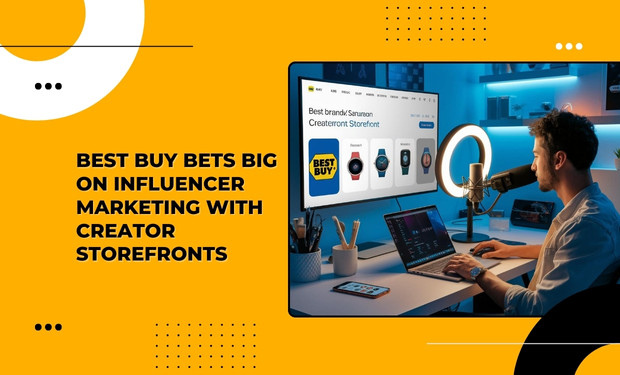
At the heart of this initiative is a new digital experience: personalized storefronts curated by influencers handpicked by Best Buy. These storefronts are hosted on Best Buy’s official website, but styled and branded with each influencer’s unique personality. From tech reviews to lifestyle content, these pages blend entertainment, education, and e-commerce in one unified platform.
Each influencer gets their own section where they showcase recommended tech products, bundles, and deals. Their content includes short-form videos, product reviews, “how-to” guides, and even tech tutorials all natively embedded into the storefront. Followers can shop directly from their favorite creator’s page, eliminating the friction between inspiration and purchase.
This model represents a modern take on affiliate marketing, but with more depth, authenticity, and user experience focus. It gives creators agency over how they present products while ensuring Best Buy maintains transactional control and brand integrity.
Why This Strategy Works in 2025
Best Buy’s move is more than a trend-chasing strategy it’s a data-backed response to shifting consumer habits. In 2025, online shoppers are increasingly influenced by social proof rather than corporate messaging. According to industry research, nearly 70% of consumers trust influencer recommendations more than traditional advertisements, and over 60% of Gen Z shoppers discover new tech through creator content.
With influencer marketing becoming embedded in the purchase funnel, Best Buy’s decision to launch creator storefronts is both timely and strategic. It allows the company to:
- Build trust through third-party voices
- Target niche audiences more effectively
- Extend its brand reach into social communities
- Drive conversion through authentic content
As technology becomes more personalized and lifestyle-driven, influencers serve as curators who help customers make confident choices in a saturated market. That’s particularly valuable in a vertical like consumer electronics, where decision fatigue is common.
The Influencer-Brand Partnership Evolution
This initiative marks a significant step in the evolution of brand-influencer relationships. Instead of one-off campaigns or affiliate links, Best Buy is enabling long-term collaborations where creators are treated as partners not just promoters.
Influencers now become brand extensions, each offering their curated vision of what modern tech ownership looks like. Whether it’s a fitness enthusiast promoting wearables, a gamer endorsing streaming gear, or a digital nomad showcasing mobile setups, the storefronts are tailored to specific lifestyle segments.
This approach makes influencer marketing a scalable asset, rather than a peripheral tactic. Creators bring the storytelling, and Best Buy supplies the commerce backbone a synergy that delivers measurable ROI, brand relevance, and community loyalty.
Tech Meets Trust: The Power of Authentic Curation
The challenge for many electronics retailers has always been making technical products feel accessible. Influencer marketing bridges this gap beautifully. Creators break down complex jargon, offer real-world use cases, and inject emotion into otherwise transactional purchases.
With creator-driven storefronts, Best Buy gives influencers the canvas to build narratives around tech whether it’s showing how noise-canceling headphones improve productivity or how a smart fridge helps meal prep. This emotional resonance makes the shopping experience more impactful, persuasive, and memorable.
Moreover, because followers trust their favorite influencers to provide honest recommendations, the likelihood of click-through and purchase dramatically increases. Best Buy isn’t just selling gadgets it’s offering tech as a lifestyle, validated by people customers already admire.
Leveraging Creator Influence for Hyper-Personalized Marketing
Another key benefit of this model is its ability to support hyper-personalized marketing. Each storefront acts as a micro-brand that caters to a specific segment. Best Buy can track what products resonate within different creator ecosystems and adjust inventory, promotions, and pricing accordingly.
For example, a photography influencer’s storefront may generate high traction on mirrorless cameras, prompting Best Buy to offer exclusive bundles or early access deals to that creator’s audience. This kind of micro-targeted marketing was difficult to achieve through traditional e-commerce, but influencer storefronts make it seamless.
The model also enables real-time feedback loops. Influencers can monitor engagement on their pages, tweak product recommendations, and even test-launch new tech products all with instant community input. For Best Buy, this creates a goldmine of consumer insight that can feed into broader marketing and merchandising strategies.
Industry Implications: A New Standard for Retail Engagement
Best Buy’s influencer marketing strategy is likely to influence how other retailers approach digital commerce. The integration of creator storefronts could soon become standard practice across sectors like fashion, beauty, fitness, and home improvement. It’s a blueprint for blending content with commerce where user-generated storytelling becomes the front door to product discovery.
It also challenges social media platforms themselves. If retailers like Best Buy can successfully build influencer-driven shopping environments on their own websites, they may rely less on external platforms like Instagram or TikTok for conversions. This could reshape the affiliate landscape and give brands more ownership over the customer journey.
As influencer marketing continues to gain traction, expect to see more retailers invest in similar ecosystems. Custom storefronts, creator analytics, integrated affiliate dashboards, and branded content platforms may become core features of next-generation retail experiences.
The Future of Influencer Marketing Is Platform-Integrated
Best Buy’s move redefines influencer marketing from a campaign-based tactic to a platform-integrated business model. This isn’t about influencers merely driving awareness it’s about them owning a piece of the commerce journey. And for a tech giant like Best Buy to embrace this model signals that influencer marketing has matured into a strategic, long-term growth engine.
By giving creators a stake in the shopping experience, Best Buy is not only empowering influencers but also enhancing customer experience in the process. It turns shopping into storytelling, decision-making into discovery, and audiences into advocates.
For more updates on retail innovation, digital trends, and influencer marketing strategies, visit Infoproweekly.