
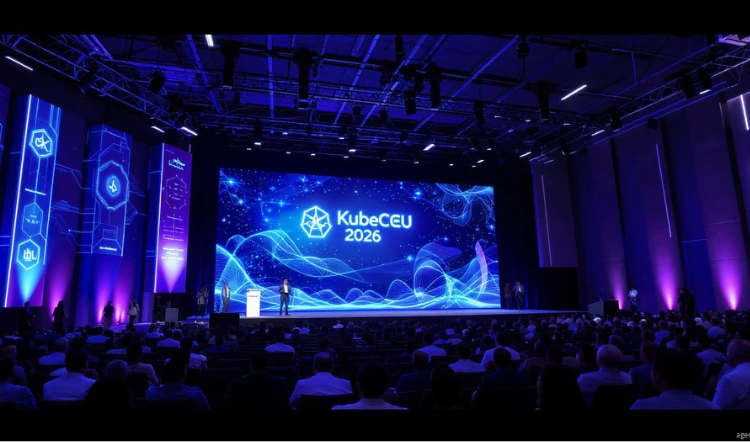
KubeCon EU 2026 brought together innovators, engineers, and decision makers to explore how cloud native ecosystems are evolving in the Open AI era platform landscape. The event highlighted a clear shift toward intelligent infrastructure where automation, scalability, and developer productivity are deeply interconnected. Conversations extended beyond Kubernetes fundamentals and moved into how platforms such as GKE are adapting to support AI driven workloads, agents, and open source collaboration at scale.
The atmosphere reflected strong momentum across the IT industry news cycle as organizations increasingly prioritize platforms that simplify complexity while enabling rapid innovation. As a result, the Open AI era platform narrative became central to discussions around infrastructure modernization and business transformation.
GKE and the future of intelligent infrastructure
Google Kubernetes Engine emerged as a key focus at the event, showcasing how managed Kubernetes continues to evolve alongside artificial intelligence. The integration of AI capabilities into cloud infrastructure is no longer experimental. Instead, it is becoming a standard expectation for enterprises seeking operational efficiency and resilience.
Furthermore, GKE demonstrated enhancements that support autonomous operations, allowing systems to self optimize and respond to changing workloads in real time. This aligns with broader technology insights where automation is seen as a critical driver of performance and cost efficiency. In addition, enterprises are increasingly adopting such platforms to stay competitive in a fast moving digital economy.
At the same time, discussions emphasized the importance of balancing automation with control. While AI can streamline processes, organizations must maintain visibility and governance to ensure reliability and compliance.
The rise of agents in modern platforms
Another major theme was the growing role of intelligent agents within the Open AI era platform ecosystem. These agents are designed to handle repetitive tasks, assist developers, and enhance system observability. As a result, teams can focus more on strategic innovation rather than routine operations.
Moreover, agents are becoming more context aware and capable of making decisions based on real time data. This shift is influencing HR trends and insights as well, since organizations now require talent that can work alongside AI systems effectively. The workforce is evolving toward hybrid skill sets that combine technical expertise with strategic thinking.
In addition, agents are playing a role in improving customer experiences and internal workflows. Their ability to automate interactions and provide actionable insights is reshaping how businesses approach efficiency and service delivery.
Open source software remains at the core
Despite rapid advancements in AI, open source software continues to serve as the foundation of innovation. At KubeCon EU 2026, contributors and organizations reinforced the importance of community driven development in building scalable and secure solutions.
Open source projects are enabling faster experimentation and collaboration, which is essential in an era defined by rapid change. Furthermore, companies are increasingly contributing back to the community, recognizing that shared innovation leads to better outcomes for everyone.
This trend also connects with finance industry updates, as organizations evaluate the cost benefits of open source adoption compared to proprietary solutions. The flexibility and transparency offered by open ecosystems make them attractive for long term investment strategies.
Business impact across industries
The implications of the Open AI era platform extend far beyond engineering teams. Sales strategies and research are evolving as organizations leverage AI driven insights to understand customer behavior and optimize engagement. Real time analytics powered by modern platforms are enabling more precise targeting and improved conversion rates.
Similarly, marketing trends analysis reveals a growing reliance on AI tools for campaign optimization and audience segmentation. Businesses are using intelligent platforms to deliver personalized experiences at scale, which enhances brand loyalty and customer satisfaction.
Additionally, these advancements are influencing organizational structures. Teams are becoming more cross functional, with closer collaboration between developers, data scientists, and business leaders. This shift is redefining how companies approach innovation and growth.
Challenges and considerations in adoption
While the benefits are clear, adopting an Open AI era platform comes with its own set of challenges. Organizations must address concerns related to data privacy, security, and ethical AI usage. Ensuring that AI systems operate transparently and responsibly is critical for building trust.
Moreover, integration complexity can be a barrier for some enterprises. Transitioning to modern platforms requires careful planning, skilled talent, and a clear strategy. However, those who successfully navigate these challenges stand to gain significant competitive advantages.
In addition, cost management remains a key consideration. Although automation can reduce operational expenses, initial investments in infrastructure and training may be substantial. Therefore, businesses must evaluate long term value when making decisions.
Strategic insights for moving forward
Organizations looking to embrace the Open AI era platform should focus on building a strong foundation that combines scalable infrastructure with intelligent capabilities. Investing in talent development is equally important, as teams need to adapt to new tools and workflows.
Furthermore, fostering a culture of experimentation can accelerate innovation. By encouraging collaboration and continuous learning, companies can unlock the full potential of AI driven platforms. At the same time, maintaining a clear governance framework ensures that growth remains sustainable and aligned with business objectives.
Another critical aspect is aligning technology adoption with overall business strategy. Platforms should not be implemented in isolation but rather as part of a broader vision that drives measurable outcomes. This approach helps organizations maximize return on investment and stay ahead in a competitive landscape.
Actionable insights for industry leaders
Leaders should prioritize integrating AI capabilities into their existing infrastructure while maintaining flexibility for future advancements. Building partnerships within the open source community can also provide access to cutting edge innovations and shared expertise. Additionally, focusing on cross functional collaboration will enable organizations to fully leverage the benefits of modern platforms.
Embracing continuous optimization and data driven decision making will further enhance performance and adaptability. As the ecosystem evolves, staying informed through reliable IT industry news and ongoing research will be essential for long term success.
Stay ahead of innovation with InfoProWeekly and gain access to expert driven perspectives that shape the future of technology and business. Connect with our team today to explore insights tailored to your growth journey.