
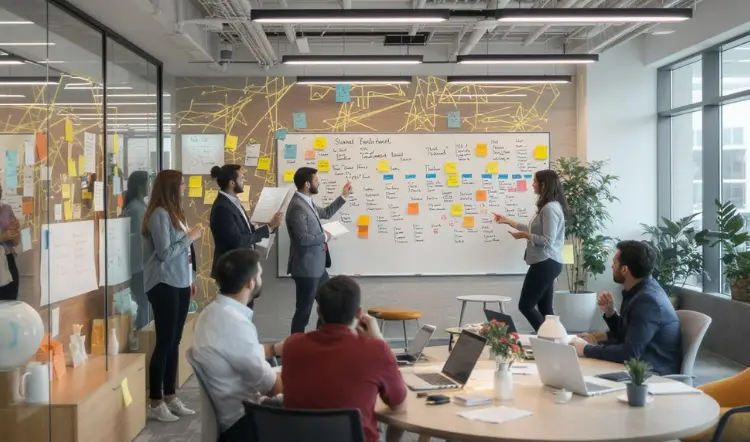
Organizations across industries are recognizing that productivity is no longer driven by processes alone. People drive performance. As workplaces evolve alongside technology insights and shifting workforce expectations, leaders are placing stronger focus on culture, communication, and experience. Employee engagement best practices for higher workplace output are now central to sustainable growth rather than optional HR initiatives.
A highly engaged workforce demonstrates stronger accountability, greater innovation, and deeper alignment with business goals. Moreover, companies that invest in engagement often see measurable gains not only in output but also in retention and employer branding. This shift reflects broader HR trends and insights shaping the future of work globally.
Building a Culture That Employees Want to Contribute To
Workplace culture influences how employees think, collaborate, and perform. When culture encourages trust and recognition, individuals naturally invest more effort in their roles. Employee engagement best practices for higher workplace output begin with creating an environment where employees feel valued beyond their job descriptions.
Leadership transparency plays a significant role here. When teams understand company direction and decision making logic, they feel included rather than instructed. In addition, open dialogue fosters psychological safety, allowing employees to share ideas without fear. As a result, collaboration improves and innovation becomes part of daily workflow.
Equally important is aligning cultural values with real actions. Employees quickly recognize gaps between stated values and lived experiences. Therefore, authenticity strengthens engagement far more effectively than symbolic programs.
The Role of Communication in Driving Output
Clear communication remains one of the most powerful engagement drivers. Employees perform better when expectations, feedback, and recognition are communicated consistently. Employee engagement best practices for higher workplace output emphasize two way communication rather than top down messaging.
Regular check ins help managers understand workload challenges and motivational factors. At the same time, employees gain clarity on performance priorities. This mutual understanding reduces inefficiencies and strengthens accountability.
Digital collaboration tools have further transformed communication structures. From project dashboards to instant messaging platforms, technology insights are enabling real time coordination across departments and geographies. Consequently, communication gaps that once slowed output are steadily narrowing.
Recognition and Reward as Performance Accelerators
Recognition directly influences discretionary effort. When employees know their work matters, they are more willing to exceed expectations. Employee engagement best practices for higher workplace output therefore integrate structured and informal recognition systems.
Timely appreciation often carries more impact than annual awards. Acknowledging contributions during team interactions reinforces positive behaviors. Furthermore, peer recognition programs build community and shared ownership of success.
Financial incentives also play a role, especially when aligned with measurable outcomes. Many organizations integrate engagement metrics with finance industry updates to link performance, profitability, and rewards. This alignment ensures employees understand how their contributions affect business results.
Growth Opportunities and Skill Development
Career stagnation is one of the fastest ways to disengage talent. Employees want to see progress, not repetition. Employee engagement best practices for higher workplace output prioritize continuous learning and advancement pathways.
Upskilling initiatives tied to marketing trends analysis, digital transformation, or leadership development help employees stay relevant. In addition, cross functional training expands organizational agility. When employees gain new competencies, they contribute more strategically rather than operationally.
Mentorship programs further enhance engagement. Experienced professionals transfer institutional knowledge while mentees gain confidence and direction. This exchange strengthens both performance and culture simultaneously.
Flexibility as a Modern Engagement Driver
Workplace flexibility has moved from perk to expectation. Hybrid schedules, remote options, and outcome based performance models are redefining engagement frameworks. Employee engagement best practices for higher workplace output now include designing work structures around productivity rather than presence.
Flexible environments empower employees to manage energy and focus more effectively. As a result, output often improves alongside wellbeing. Organizations that embrace flexibility also gain competitive advantage in talent acquisition, particularly within fast evolving sectors covered in IT industry news.
However, flexibility requires strong performance systems. Clear goals, measurable deliverables, and collaborative tools ensure autonomy does not dilute accountability.
Data Driven Engagement Strategies
Modern engagement strategies rely increasingly on analytics. Surveys, sentiment tracking, and performance dashboards provide measurable insight into workforce motivation. Employee engagement best practices for higher workplace output leverage this data to refine leadership approaches and workplace policies.
Predictive analytics can even identify disengagement risks before productivity declines. For instance, sudden drops in collaboration metrics or feedback participation may signal burnout. Early intervention helps organizations protect both output and morale.
This analytical approach mirrors sales strategies and research practices where behavioral data guides decision making. Applying similar rigor to engagement ensures initiatives remain outcome focused rather than symbolic.
Leadership Influence on Engagement Outcomes
Managers shape day to day employee experience more than policies do. Their ability to coach, recognize, and support directly impacts output levels. Employee engagement best practices for higher workplace output therefore prioritize leadership capability building.
Empathetic leadership fosters trust, while performance coaching drives clarity. Leaders who balance accountability with encouragement create high performing yet sustainable work environments.
Moreover, leadership visibility strengthens alignment. When executives actively participate in engagement initiatives, employees perceive them as authentic commitments rather than HR mandates.
Integrating Engagement with Business Strategy
Engagement delivers maximum value when integrated with organizational strategy. Companies increasingly connect engagement metrics with productivity, innovation, and customer satisfaction indicators. Employee engagement best practices for higher workplace output thrive when embedded into operational planning rather than treated as standalone programs.
For example, organizations aligning engagement with marketing trends analysis often see stronger campaign creativity. Similarly, firms linking engagement with finance industry updates observe improved cost efficiency through proactive employee contributions.
This strategic integration ensures engagement investments translate into measurable business performance.
Actionable Insights for Strengthening Engagement Impact
Organizations seeking stronger output should begin by auditing current engagement touchpoints across culture, leadership, and communication. Small yet consistent improvements often outperform large but irregular initiatives. Furthermore, aligning engagement metrics with productivity indicators ensures programs remain performance focused.
Leaders should also prioritize listening frameworks that convert employee feedback into visible action. When employees witness change driven by their input, trust deepens and discretionary effort rises naturally.
Call To Action
InfoProWeekly delivers research driven perspectives that help organizations transform workforce performance and culture. Connect with InfoProWeekly to explore deeper HR trends and insights shaping the future of employee engagement.