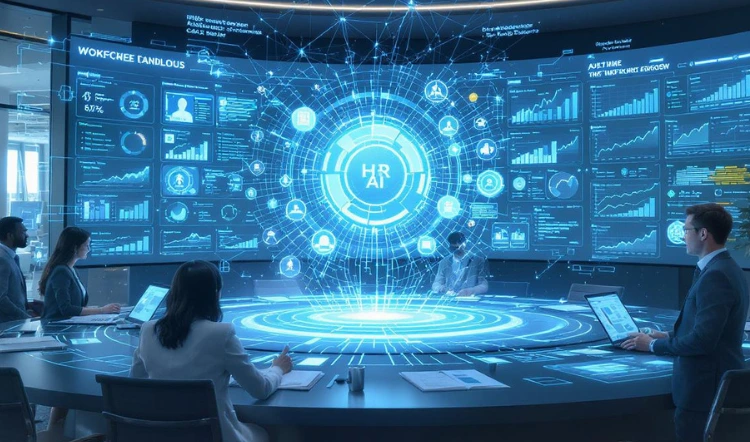
Human resources is no longer limited to paperwork, interviews, and manual employee management. Organizations are steadily embracing digital intelligence, and AI is transforming HR by automating hiring, analytics, and HR decisions in ways that were difficult to imagine only a few years ago. As businesses seek efficiency and accuracy, AI driven tools are stepping in to reshape how talent is discovered, evaluated, and supported.
At the same time, the shift toward intelligent HR systems reflects a broader movement across industries. From technology insights that highlight innovation to finance industry updates that emphasize data driven strategies, artificial intelligence continues to redefine decision making in business operations. Human resources is now firmly part of that transformation.
Smarter hiring in a competitive talent market
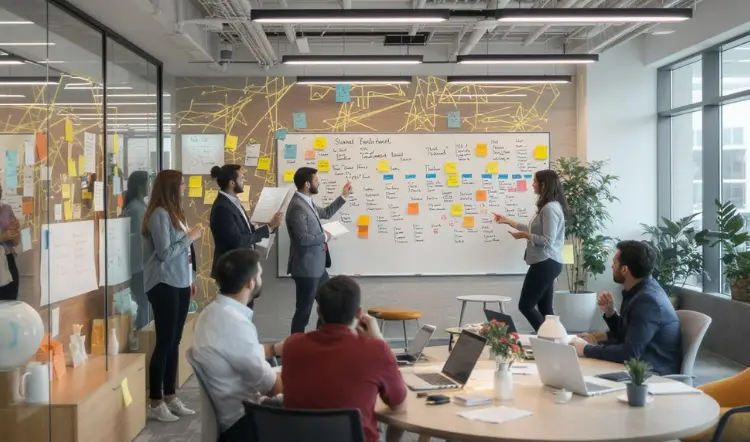
Recruitment has always been one of the most time consuming functions within HR. Reviewing hundreds of resumes, coordinating interviews, and assessing candidates often creates delays and inconsistency. However, AI is transforming HR by automating hiring, analytics, and HR decisions with advanced screening tools that analyze applications quickly and fairly.
AI powered platforms can scan resumes, identify relevant skills, and match candidates with job descriptions within seconds. This process allows HR professionals to focus on meaningful interactions rather than administrative work. Moreover, predictive algorithms help companies evaluate potential performance and cultural fit based on patterns gathered from previous hiring outcomes.
Furthermore, organizations are using AI to improve candidate experience. Chat based assistants respond instantly to questions, schedule interviews, and guide applicants through the recruitment journey. As a result, companies maintain stronger engagement with potential hires while significantly reducing recruitment timelines.
In addition, the use of artificial intelligence aligns with current HR trends and insights that emphasize agility and data based decision making. Employers increasingly recognize that hiring decisions supported by analytics tend to produce stronger long term workforce outcomes.
HR analytics reshaping workforce strategy
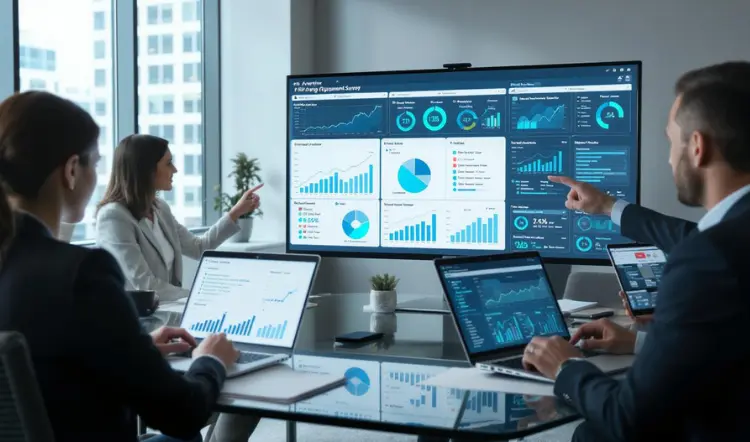
Another reason AI is transforming HR by automating hiring, analytics, and HR decisions is the growing importance of workforce analytics. Data has become the backbone of modern business strategy, and HR departments are now leveraging intelligent tools to interpret employee information more effectively.
AI platforms can analyze employee engagement, productivity patterns, and retention risks across large datasets. Instead of relying on assumptions, HR leaders can identify trends and address issues before they escalate. For example, predictive analytics may reveal early signs of burnout or dissatisfaction within a team.
Consequently, companies gain the ability to design targeted employee support programs and professional development initiatives. In many organizations, insights generated from HR analytics also contribute to broader business planning, connecting workforce management with overall company goals.
This development mirrors trends seen across other departments as well. Technology insights frequently highlight how AI driven analytics influence strategic planning. Similarly, finance industry updates often show how data modeling improves forecasting accuracy. HR analytics is following the same path by turning workforce information into actionable intelligence.
Improving HR decision making with intelligent systems
Decision making in HR often involves complex variables such as employee performance, compensation structures, and training effectiveness. Here again, AI is transforming HR by automating hiring, analytics, and HR decisions through intelligent recommendation systems.
AI tools evaluate multiple data sources including performance metrics, employee feedback, and skill assessments. Based on these patterns, systems can suggest promotions, learning opportunities, or leadership development pathways. While human judgment remains essential, AI provides valuable guidance that helps leaders make more balanced and objective decisions.
Moreover, intelligent HR platforms are becoming integrated with other business functions. Insights gathered from workforce data may support sales strategies and research by identifying training needs within sales teams. Likewise, marketing trends analysis may benefit from HR insights that highlight skill gaps in digital marketing roles.
Because of this integration, HR is gradually evolving into a strategic partner rather than an administrative department. AI technologies allow HR teams to contribute directly to growth, innovation, and organizational resilience.
Balancing automation with human leadership
Despite the advantages of artificial intelligence, successful HR transformation still depends on human oversight. While AI is transforming HR by automating hiring, analytics, and HR decisions, technology alone cannot replace empathy, cultural understanding, and ethical judgment.
HR professionals remain responsible for interpreting insights and ensuring fairness in workplace policies. Transparent algorithms, responsible data practices, and continuous monitoring are essential to prevent bias in automated systems. Therefore organizations must combine technological innovation with strong governance frameworks.
Encouragingly, many companies are already adopting this balanced approach. They view AI as a supportive partner rather than a replacement for human expertise. Consequently HR teams can focus on strategic initiatives such as employee wellbeing, leadership development, and workplace culture.
AI driven HR and its influence across industries
The influence of intelligent HR systems is not limited to technology companies. Businesses across sectors are adopting similar approaches as they seek better workforce management. From global enterprises to fast growing startups, the ability to analyze employee data and optimize recruitment strategies has become a competitive advantage.
For instance, technology insights often reveal how AI powered HR platforms support rapid scaling in software firms. At the same time, finance industry updates show that financial institutions are using AI to identify talent with specialized analytical skills. Likewise, organizations studying sales strategies and research are leveraging HR analytics to improve training programs that enhance sales performance.
Meanwhile marketing trends analysis increasingly points to the need for skilled digital marketers, which encourages HR teams to use predictive hiring tools to locate candidates with emerging expertise. As these connections strengthen, HR becomes deeply integrated into the strategic framework of modern organizations.
Practical insights for organizations adopting AI in HR
Organizations exploring intelligent HR solutions should begin with a clear understanding of their workforce challenges. Identifying areas where automation can reduce repetitive work allows teams to deploy AI tools in ways that deliver immediate value. Gradually expanding into predictive analytics can then support deeper strategic planning.
Equally important is investing in training for HR professionals. When teams understand how AI models operate, they can interpret insights more effectively and make responsible decisions. Continuous evaluation of algorithms ensures fairness and transparency while maintaining employee trust.
Finally, collaboration across departments strengthens the impact of AI powered HR systems. Insights generated from HR analytics often support broader initiatives related to marketing trends analysis, sales strategies and research, and technology insights that guide innovation. This cross functional approach transforms HR into a powerful source of business intelligence.
Ready to explore deeper technology insights and industry intelligence that shape the future of work. Connect with InfoProWeekly to discover expert driven perspectives and actionable strategies for your organization.